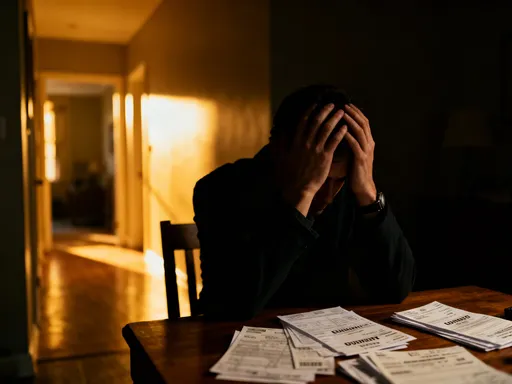
How I Navigated the Financial Fallout of an Accident—And What It Really Cost Me
You never think it’ll happen to you—until it does. One moment I was fine, the next I faced medical bills, lost income, and mounting stress. What surprised me wasn’t just the crash itself, but how fast money slipped away. I started tracking every hidden cost, from delayed payments to emergency repairs. This is my real story of what an unexpected accident actually costs—and how I kept my finances from crashing too.
The Wake-Up Call: When Life Throws a Curveball
It was an ordinary Tuesday morning. I was driving to drop my youngest at school before heading to work, coffee in hand, when a delivery van ran a red light. The impact was sudden, loud, and disorienting. I walked away with a concussion, a fractured wrist, and whiplash—but no broken bones. At first, I told myself I was lucky. Then the bills started arriving. My emergency room visit alone cost over $4,000 before insurance. That number didn’t include follow-up appointments, physical therapy, or the car tow fee that showed up two days later. More than the physical recovery, what caught me off guard was the financial unraveling that followed. I had savings, a stable job, and insurance—but none of that felt like a safety net in those first few weeks. The truth is, an accident doesn’t just disrupt your body; it disrupts your entire financial ecosystem. Expenses multiply, income slows or stops, and decision fatigue sets in. I realized quickly that resilience isn’t just about having money saved—it’s about how prepared you are for the invisible costs that follow a crisis.
What made the experience even more overwhelming was the emotional toll. Stress about money compounded the physical pain. I found myself lying awake, calculating how much I’d need just to stay afloat. Could I afford the next therapy session? Should I skip a prescription to save $35? These weren’t choices I ever expected to make. The emotional weight of financial uncertainty can be just as debilitating as the injury itself. And yet, it’s rarely discussed. Most people focus on the immediate medical aftermath, but few consider how an accident can trigger a chain reaction of financial strain. My wake-up call wasn’t just the crash—it was realizing how fragile my financial security truly was. That moment changed my relationship with money forever. I began to see every dollar not just as spending power, but as potential protection. From that point on, I committed to understanding the full scope of what an accident could cost—not just in medical terms, but in long-term financial stability.
Mapping the Hidden Price Tags: Beyond the Obvious Bills
When most people think of accident costs, they picture hospital bills and car repairs. But the real financial burden often lies in the less visible expenses—the ones that don’t show up on insurance statements or repair invoices. In my case, the emergency room charge was just the beginning. Within a week, I was facing a cascade of smaller but persistent costs. I needed a wheelchair for two weeks because walking was too painful. Renting it cost $120, and insurance didn’t cover it. Then came the home modifications: a shower seat, grab bars, and a raised toilet seat. These weren’t luxuries—they were necessities for daily living. Together, they added another $300 to my out-of-pocket total. And because I couldn’t drive, I relied on ride-shares and public transit. Over six weeks, transportation alone cost nearly $500. These are the kinds of expenses that rarely make it into emergency budgets, yet they add up fast.
Another major hidden cost was childcare. I usually managed school drop-offs and after-school activities, but during recovery, I had to hire a neighbor to help. That was $250 a month for two months—money I hadn’t planned to spend. Prescription co-pays also added up. I was on pain medication, anti-inflammatory drugs, and muscle relaxants. Each refill cost between $15 and $40, and I needed them for over two months. That’s another $200 gone. Then there were the incidental costs: laundry services because I couldn’t bend, grocery delivery fees, and even a new phone after I dropped mine while trying to open a door one-handed. These may sound minor, but they’re real. When you’re injured, even simple tasks become expensive. I started tracking every dollar, and by the end of the third month, I had spent nearly $3,000 on non-medical, non-vehicle costs. That was more than half of what I thought I’d need. The lesson was clear: when planning for emergencies, you must account for the full spectrum of life disruption, not just the obvious medical line items.
What made these hidden costs even more painful was their unpredictability. There was no way to forecast exactly what I’d need or when. A shower seat wasn’t something I’d ever considered buying, let alone insuring. But when you’re injured, your needs change overnight. The key takeaway is awareness. Most families budget for known risks—car repairs, doctor visits, home maintenance—but few prepare for the adaptive costs that come with injury. These are the expenses that turn a manageable crisis into a financial emergency. By mapping them out after the fact, I gained a much clearer picture of what true preparedness looks like. It’s not just about covering medical bills; it’s about maintaining your standard of living when your ability to function is compromised. That requires a different kind of planning—one that anticipates not just illness, but the practical realities of recovery.
Income Interruption: The Silent Budget Killer
If unexpected expenses are the visible wound, income loss is the internal bleed—less obvious but just as dangerous. I work in administrative support, a role that requires typing, phone calls, and constant movement. With a fractured wrist and limited mobility, I couldn’t perform my duties effectively. My employer was understanding and allowed me to take three weeks off, but only two were paid. That meant a full week of zero income. For a household living on a fixed budget, that gap was significant. My monthly take-home pay is about $3,200. Losing nearly $800 in wages created immediate pressure. Bills don’t pause for injury. Rent, utilities, groceries—they all still come due. I had to dip into savings just to cover the basics. And it wasn’t just the missed paychecks. Even after I returned to work, I was on light duty, which meant reduced hours and lower pay for another two weeks. That’s another $500 lost. In total, I lost over $1,300 in income during the recovery period.
This is where many people underestimate their risk. They assume that as long as they have health insurance, they’re protected. But insurance doesn’t replace lost wages. Short-term disability coverage could have helped, but I didn’t have it at the time. My employer offered it as an optional benefit, and I had opted out to save a few dollars on payroll deductions. That decision came back to haunt me. I later learned that my monthly premium would have been just $25 for a policy that paid 60% of my salary after a two-week waiting period. That would have covered nearly $600 of my lost income. It was a small price for significant protection. For freelancers or gig workers, the risk is even greater. Without employer-provided leave, every day off is a day without pay. I have a cousin who drives for a ride-share company. When she had surgery last year, she lost nearly $2,000 in income over four weeks. There was no safety net. Her story isn’t unique. Millions of workers operate without income protection, assuming they’ll never need it—until they do.
The solution isn’t just about buying insurance. It’s about designing a financial plan that accounts for income volatility during crises. That means building a larger emergency fund—one that covers not just living expenses, but lost wages. It also means exploring alternative income protection options, even if they’re not offered through work. Some professional associations offer affordable disability plans. Others can look into income replacement riders on life insurance policies. The point is to treat income protection as seriously as expense management. Too many people focus on cutting costs after an accident, but the real challenge is maintaining cash flow. Without it, even a well-funded emergency account can drain quickly. My experience taught me that financial resilience isn’t just about saving money—it’s about protecting the ability to earn it. That shift in mindset has been one of the most valuable lessons from this entire ordeal.
Insurance Reality Check: What Coverage Actually Covers
I entered the accident believing my insurance would handle most of the costs. After all, I paid premiums every month. I assumed that when something went wrong, the system would work. Reality was different. The claims process was slow, confusing, and full of surprises. My car insurance covered the repairs, but only after a $500 deductible. That was expected. What wasn’t expected was how long it took to get reimbursed. The repair shop finished the work in ten days, but the insurance company took another three weeks to process the claim. I had to pay upfront and wait. That created cash flow stress at a time when I could least afford it. Health insurance was even more complicated. My plan has a $2,000 deductible, which I hadn’t met at the time of the accident. That meant I was responsible for the first $2,000 of medical costs. The ER visit alone was $4,200. After the deductible, I still owed 20% co-insurance on the remaining balance. That’s another $440 out of pocket. Then came the physical therapy. Ten sessions at $120 each. Insurance covered 80%, but I still paid $240. By the time all claims were processed, I had spent $1,800 out of pocket—more than I anticipated.
The biggest frustration was the lack of transparency. I couldn’t get clear answers about what was covered and what wasn’t. I called customer service multiple times, only to be transferred or given conflicting information. One representative told me my prescription was fully covered. Another said it had a $25 co-pay. I had to dispute two charges because they were coded incorrectly. It took two months to get them corrected. This is the hidden labor of insurance—hours on the phone, forms to fill out, receipts to save. It’s exhausting, especially when you’re recovering. I learned that insurance isn’t a magic solution. It’s a partial buffer with limits, exclusions, and delays. The fine print matters. For example, my plan doesn’t cover alternative therapies like acupuncture or massage, even if recommended by a doctor. It also has a cap on the number of physical therapy visits per year. Once I hit that limit, I had to pay full price for additional sessions. These gaps are common, but rarely discussed until you’re in the middle of a crisis.
What I wish I had done differently was review my policies before the accident. I assumed I understood my coverage, but I didn’t. Now, I sit down every year to read my health, auto, and disability policies. I make notes about deductibles, co-pays, coverage limits, and exclusions. I also ask my provider for a summary of benefits. Knowledge is power. When you know exactly what your insurance will and won’t cover, you can plan for the gaps. That might mean saving extra for deductibles, purchasing supplemental coverage, or adjusting your emergency fund. It might also mean advocating for yourself during the claims process. I’ve learned to keep detailed records, submit claims promptly, and follow up regularly. Insurance won’t prevent financial loss, but understanding it can help you minimize it. That’s the real value of coverage—not total protection, but predictable protection. And predictability is what allows you to plan, prepare, and protect your finances when life goes off track.
Emergency Funds vs. Real-World Pressure: How Mine Held Up
I’ve always been a saver. Before the accident, I had $9,600 in my emergency fund—exactly three months of living expenses, which is the standard recommendation. I felt proud of that. I thought I was prepared. Then the bills started coming in. Within six weeks, I had withdrawn $7,200. That left me with just $2,400—less than one month’s expenses. The fund had held up, but barely. And it wasn’t just medical costs. I had to cover lost income, transportation, childcare, and home modifications. Each withdrawal felt necessary, but also stressful. I kept wondering: what if something else happened? What if I needed surgery? What if my car broke down again? The psychological pressure of seeing my safety net shrink was almost as bad as the financial strain. I realized that three months might not be enough for certain types of emergencies—especially those involving injury and long recovery periods.
What surprised me most was how quickly I had to make trade-offs. I paused my retirement contributions for six months. I delayed a needed roof repair. I canceled a family vacation. These weren’t minor sacrifices. They affected my long-term goals and quality of life. I had to choose between immediate survival and future planning. That’s not the kind of decision anyone should have to make. It revealed a flaw in the standard emergency fund advice. Three months is a good starting point, but it may not account for extended recovery periods, chronic conditions, or multiple overlapping crises. For someone with dependents, health issues, or unstable income, a larger buffer may be necessary. I now believe that six months is a more realistic target for full protection. It’s not about hoarding money—it’s about creating enough space to recover without derailing your entire financial plan.
Liquidity also mattered. My emergency fund was in a high-yield savings account, which was good for access. But I wish I had a secondary buffer—like a line of credit or a dedicated medical savings account. That could have helped spread out payments and reduce the need to drain savings all at once. I also learned the importance of categorizing emergency funds. Now, I keep a portion specifically for medical and injury-related costs. That way, if another crisis hits, I’m not using the same pot for job loss and medical bills. Separating these risks helps me respond more effectively. The accident didn’t destroy my finances, but it exposed their weaknesses. My emergency fund was a lifeline, but it was stretched to its limit. Moving forward, I’m rebuilding it with a new understanding: preparation isn’t a one-time goal. It’s an ongoing process that evolves with your life circumstances. And sometimes, the best teacher is an unexpected crisis.
Smart Cost Control Tactics That Actually Worked
When the financial pressure mounted, I knew I had to take control. I couldn’t change what had happened, but I could change how I responded. The first thing I did was call every provider and ask for a payment plan. The hospital agreed to a six-month installment plan with no interest. That immediately reduced the monthly burden. I also negotiated my medical bills. I called the billing department and asked if they offered discounts for upfront payment. They gave me a 15% reduction on my ER bill if I paid within 30 days. That saved me $630. It was a simple call, but it made a big difference. I learned that providers often have flexibility, but you have to ask. Many people don’t realize they can negotiate medical costs. They assume the bill is final. It’s not. Always review statements for errors and inquire about financial assistance programs.
Another tactic was prioritizing high-impact expenses. I focused on costs that affected my recovery or safety. The shower seat and grab bars came first. Groceries and utilities were non-negotiable. But I delayed non-essential spending—like home decor, subscriptions, and dining out. I also switched to generic prescriptions, which saved about $80 over two months. I used cash-back apps for grocery delivery and earned small refunds. These may seem minor, but every dollar counted. I also avoided credit card debt. I had a card with a $5,000 limit, but I didn’t use it. Interest would have made the situation worse. Instead, I stuck to my budget and payment plans. That discipline kept me from falling into a debt trap.
One of the most effective strategies was tracking every expense in a spreadsheet. I categorized each cost: medical, transportation, home, childcare, etc. This gave me visibility into where my money was going. I could see patterns and adjust quickly. For example, I noticed ride-share costs were rising, so I switched to public transit when possible. I also set up alerts for large withdrawals. This helped me stay aware and in control. The spreadsheet became my financial dashboard. It didn’t solve the problem, but it gave me a sense of agency. When you’re overwhelmed, having a clear picture of your finances can reduce anxiety and improve decision-making. These tactics weren’t glamorous, but they worked. They were practical, actionable, and based on real experience. And they taught me that financial control isn’t about perfection—it’s about persistence.
Building a Smarter Safety Net: Lessons for the Future
This experience changed how I think about financial security. I used to believe that if I saved enough and avoided debt, I’d be safe. Now I know it’s more complex. True resilience requires layers of protection. I’ve rebuilt my emergency fund to six months of expenses. I’ve added short-term disability insurance. I review my policies annually. I also set up automatic transfers to a dedicated medical savings account. Every paycheck, $100 goes into it. It’s not much, but it’s consistent. Over time, it will grow into a meaningful buffer. I’ve also started mapping potential risk scenarios: what if I lose my job? What if a family member gets sick? What if my car breaks down? By thinking through these possibilities, I can plan for them before they happen.
I’ve learned that being prepared isn’t about living in fear. It’s about creating freedom. When you know you can handle a crisis, you’re less anxious. You can focus on recovery, not just survival. I also talk openly about my experience now. I’ve shared my story with friends, family, and coworkers. Many have said they never thought about the hidden costs of an accident. Some have started reviewing their own finances. That’s the power of real stories—they inspire action. Financial literacy isn’t just about numbers. It’s about life experience, awareness, and empathy. I don’t wish what happened to me on anyone. But if my journey can help others avoid some of the same mistakes, then it has value.
Looking ahead, I’m more intentional about money. I save with purpose. I spend with awareness. I plan with realism. I’ve stopped chasing quick fixes or unrealistic returns. Instead, I focus on steady, sustainable habits. Small actions—like reviewing a bill, setting up an auto-transfer, or asking a question—add up over time. They build resilience. They build confidence. And they build peace of mind. The accident cost me a lot—money, time, energy, health. But it also taught me something invaluable: that financial strength isn’t measured by how much you have, but by how well you can withstand life’s surprises. That’s the kind of security worth building. And it’s a journey I’m committed to, one careful step at a time.