How I Found Calm Through Yoga and Chinese Wisdom
Ever feel like your mind won’t shut off, no matter how tired you are? I’ve been there—stressed, scattered, and searching for real relief. Then I tried blending yoga, meditation, and traditional Chinese 养生 (yangsheng) principles. It wasn’t magic, but it worked. This is my journey of aligning body and mind, using simple, natural practices that actually stick. No hype—just honest, tested steps that changed how I live and feel every day. What began as a quiet experiment turned into a transformation that reshaped my energy, focus, and sense of peace.
The Burnout That Started It All
For years, I believed I was doing everything right. I ate balanced meals, walked daily, and avoided processed foods. Yet, despite this outward appearance of health, I felt constantly drained. My mind raced at night, my shoulders were always tight, and even small tasks felt overwhelming. I was physically active but emotionally exhausted, like a car running on empty. Doctors offered suggestions—more sleep, less caffeine, maybe therapy—but nothing addressed the root of my fatigue. I wasn’t just tired; I was disconnected from myself.
It wasn’t until a close friend gently pointed out how wound up I seemed that I considered a different path. She suggested yoga, not as a fitness trend, but as a way to reconnect with my body. I was skeptical. I associated yoga with flexible people in expensive leggings, doing poses that looked more like acrobatics than healing. But I was desperate enough to try. My first class was humbling—I struggled with basic stretches, my breath was shallow, and I felt awkward. Yet, something shifted. For the first time in months, I noticed a quiet moment of calm after savasana. It wasn’t dramatic, but it was real. That tiny spark of relief made me curious. Could this simple practice offer more than just physical flexibility?
Why Yoga Is More Than Stretching
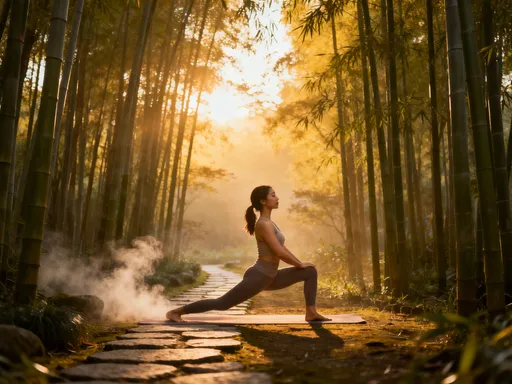
What I soon learned is that yoga is not primarily about how far you can bend or how long you can hold a pose. At its core, yoga is a mind-body discipline that integrates movement, breath, and focused awareness. It works on the nervous system, gently shifting the body from a state of constant alertness—the “fight-or-flight” mode—into the “reset and restore” state governed by the parasympathetic nervous system. Science supports this: studies have shown that regular yoga practice can reduce cortisol levels, the hormone linked to stress, and improve heart rate variability, a marker of resilience.
The real change for me began when I stopped treating yoga as exercise and started seeing it as a form of listening. Each session became an opportunity to tune in. When I moved slowly through a forward bend and noticed my breath catching, I learned to pause rather than push. When my mind wandered during a balance pose, I gently brought my attention back without judgment. Over time, these small acts of awareness began to spill into daily life. I slept more deeply. I reacted less sharply to minor frustrations. I could focus on a task without constantly checking my phone. Yoga didn’t erase my stress, but it gave me tools to meet it differently.
Discovering Chinese Yangsheng (Health Cultivation)
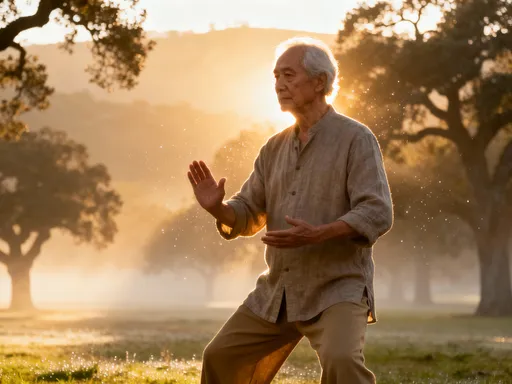
While yoga helped me reconnect with my body, it was traditional Chinese yangsheng that reshaped my understanding of health itself. Yangsheng, which translates to “nourishing life,” is an ancient approach to well-being rooted in balance, prevention, and harmony with natural rhythms. Unlike Western models that often focus on fixing problems after they arise, yangsheng emphasizes daily practices that support long-term vitality. It includes dietary wisdom, seasonal living, breath work, and gentle movement like tai chi or qigong.
What struck me most was the philosophy behind it: health is not a destination but a continuous process. Just as you water a plant daily, you care for your body and mind in small, consistent ways. I began to see parallels between yoga and yangsheng—both value breath as a bridge between body and mind, both encourage rhythm and routine, and both prioritize inner awareness over external performance. Where yoga offered structure, yangsheng offered depth. It taught me to pay attention to subtle signals: how I felt after certain foods, how the changing seasons affected my energy, and how emotions like worry or sadness could settle in the body if left unattended.
One of the most practical lessons was the concept of qi, or vital energy. While it may sound abstract, I learned to interpret it through tangible experiences. When my energy felt scattered or blocked—like a foggy mind or heavy limbs—I didn’t just push through. Instead, I used simple practices: a few minutes of deep abdominal breathing, a short walk in nature, or a warm cup of ginger tea. These weren’t dramatic interventions, but over time, they helped me maintain a steadier flow of energy throughout the day.
The Missing Link: Meditation That Actually Works
For a long time, meditation felt impossible. I tried apps, guided sessions, and even silent retreats, but my mind would race the moment I sat still. I thought I was failing because I couldn’t “clear my thoughts.” What I didn’t realize was that meditation isn’t about stopping thoughts—it’s about changing your relationship with them. The breakthrough came when I shifted from silent meditation to breath-centered practice, drawing from both yoga pranayama and traditional Chinese breath cultivation.
Instead of fighting my thoughts, I focused on the physical sensation of breathing—the rise and fall of my abdomen, the coolness of air entering my nostrils, the warmth as I exhaled. This simple anchor gave my mind something to do without demanding perfection. I started with just five minutes a day, gradually increasing to ten. There were days when my mind still wandered, but I learned to return gently, like guiding a child back to the path. Over weeks, I noticed subtle but significant changes. I became less reactive. When a stressful email arrived, I didn’t immediately tense up. I paused, took a breath, and responded more calmly. Emotional resilience, I realized, wasn’t about avoiding discomfort—it was about creating space between stimulus and response.
This practice also deepened my self-awareness. I began to recognize patterns: how stress made my breath shallow, how joy made it deeper, how fatigue made it irregular. By tuning into these signals, I could adjust my day before burnout set in. Meditation, once a source of frustration, became a daily reset button—a quiet moment to return to myself.
Building a Routine That Fits Real Life
One of my biggest misconceptions was that wellness required a perfect schedule. I imagined waking at 5 a.m. for an hour of yoga, followed by journaling and a green smoothie. Reality, of course, looked different. Between work, family, and household responsibilities, finding large blocks of time was unrealistic. The real shift came when I stopped aiming for perfection and started embracing consistency in small doses.
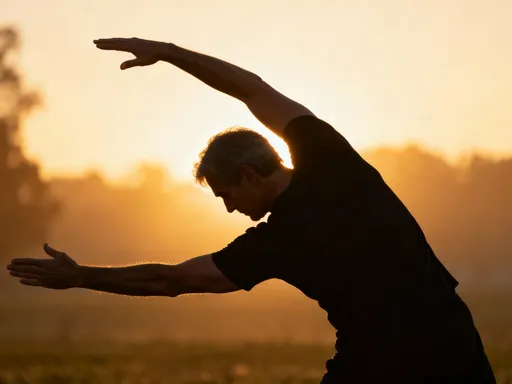
I began with just five minutes of gentle stretching in the morning—nothing elaborate, just touching my toes, rolling my shoulders, and taking deep breaths. During the day, I practiced “micro-meditations”—three slow breaths before answering a call, a mindful sip of tea, a brief pause after parking the car. In the evening, I spent ten minutes reflecting: What went well? What drained my energy? This wasn’t about analysis, just acknowledgment.
To stay consistent, I used habit stacking—linking new practices to existing ones. After brushing my teeth, I did two minutes of breathing. While the coffee brewed, I stretched my back. I also let go of guilt on days when I missed a session. Rest, I learned, is part of the practice. Over time, these small actions became natural, like brushing my teeth or locking the door. The routine wasn’t rigid, but it was reliable. And that reliability built trust—in the process, and in myself.
Common Mistakes (And How I Fixed Mine)
Looking back, I made several mistakes in the early stages. The first was pushing too hard. Eager to “get better,” I held poses longer than my body could handle, ignored soreness, and treated rest days as failures. This only led to stiffness and frustration. I eventually learned that true progress in yoga and yangsheng isn’t measured by intensity, but by sensitivity. Listening to my body became more important than achieving a perfect pose.
Another mistake was overlooking lifestyle factors that undermined my efforts. I practiced yoga daily but still drank too much coffee, skipped meals, and stayed up late. I didn’t realize how much these habits drained my energy until I started paying attention. Drawing from yangsheng, I began to view diet as part of my practice. Instead of strict rules, I focused on eating warm, cooked foods in the morning, reducing raw and cold items that felt hard to digest, and drinking warm water throughout the day. These small shifts made a noticeable difference in my digestion and energy levels.
I also neglected emotional patterns. I thought I was “doing the work” by meditating, but I avoided difficult feelings. Yangsheng taught me that emotions are forms of energy. When suppressed, they can stagnate and create imbalance. I started allowing myself to feel—grief, irritation, even boredom—without immediately trying to fix them. I used breath and movement to move through them, not around them. This emotional honesty, supported by physical practice, brought a deeper level of healing.
Why This Blend Works Better Than Either Alone
On its own, yoga provided structure and physical relief. Yangsheng offered a broader philosophy—a way of living in tune with natural cycles and cultivating energy before it was depleted. Together, they created a complete system: move, breathe, reflect, balance. Yoga gave me tools for the body; yangsheng gave me wisdom for the life around it.
The synergy became clear over time. A yoga pose would release tension in my shoulders, and yangsheng would help me understand why that tension kept returning—perhaps from overthinking or poor posture at the desk. Meditation would clear my mind, and yangsheng would guide me to eat in a way that sustained that clarity. This holistic approach shifted my mindset from chasing wellness to living it. I no longer saw self-care as something to “fit in”—it became the foundation of how I moved through the day.
Long-term, the change wasn’t just in how I felt, but in how I related to myself. I became more patient, more present, more forgiving. I stopped measuring progress by how I looked or how much I accomplished, and started noticing subtler signs: a deeper breath, a quieter mind, a moment of genuine joy. This blend didn’t require exotic tools or hours of practice. It required attention—to my body, my breath, my habits, and my rhythms.
Conclusion
This isn’t about perfection—it’s about presence. By merging yoga and Chinese health wisdom, I didn’t just reduce stress; I rebuilt my relationship with my body. I learned that wellness isn’t a series of isolated actions, but a way of being. You don’t need hours or gear—just the willingness to begin. Start with one breath. One stretch. One moment of stillness. Small, steady steps create lasting change. And honestly? I wish I’d started years ago. But the truth is, the best time to begin is always now. Whether you’re exhausted, overwhelmed, or simply seeking more balance, this path is accessible. It doesn’t demand change all at once. It invites you, gently, to return to yourself, again and again. And in that return, you may find not just calm, but a deeper connection to the life you’re already living.