What I Learned Avoiding Anti-Aging Traps While Trying to Stay Healthy
We all want to age gracefully, but the path to healthy aging is packed with hype, misinformation, and quick fixes that promise miracles. I’ve been there—wasting time and money on trends that didn’t deliver. Through trial, error, and real changes, I discovered what actually supports long-term vitality. This is about avoiding common pitfalls and making smart, sustainable choices for true health optimization. Aging is not a disease to be cured, but a natural process to be supported with wisdom, science, and consistency. The real goal isn’t to look 25 forever, but to feel strong, energized, and fully alive at every stage of life.
The Anti-Aging Hype: What’s Real vs. What’s Noise
The desire to look and feel youthful is deeply rooted in culture, media, and personal identity. Advertisements flood our screens with images of radiant skin, boundless energy, and ageless beauty, often suggesting that these qualities can be bought in a bottle or achieved through a miracle cream. This constant messaging creates pressure—especially for women in their 30s, 40s, and beyond—to pursue youth at any cost. The result is a booming anti-aging industry worth billions, built on promises that often outpace scientific evidence.
Marketing plays a powerful role in shaping our health decisions, frequently blurring the line between real science and speculative claims. Terms like “clinically proven,” “dermatologist recommended,” or “scientifically formulated” are used liberally, even when the actual research is limited, poorly designed, or funded by the companies selling the product. This creates confusion, making it difficult to distinguish between what truly supports long-term health and what merely offers a temporary cosmetic effect.
One of the most pervasive misconceptions is the belief that collagen supplements will dramatically improve skin elasticity and reduce wrinkles. While collagen is a vital protein for skin, joint, and bone health, oral supplements have limited bioavailability. The body breaks them down into amino acids, which are then used wherever needed—not necessarily in the skin. Topical creams claiming to “reverse aging” face similar limitations; most active ingredients cannot penetrate deeply enough to affect underlying tissue. Similarly, detox trends—such as juice cleanses or charcoal supplements—lack strong scientific backing. The liver and kidneys are naturally efficient at detoxifying the body, and extreme detox regimens can do more harm than good by depriving the body of essential nutrients.
It’s crucial to differentiate between cosmetic fixes and true biological aging. Wrinkles and gray hair are visible signs, but they don’t reflect the internal state of our cells, metabolism, or organ function. Real aging happens at the cellular level, influenced by factors like inflammation, oxidative stress, and DNA repair mechanisms. Focusing solely on appearance can lead to neglecting the deeper systems that determine how well we age. True health optimization means supporting the body’s natural processes, not just masking the outward signs of time.
My Journey: Falling Into (and Out of) Anti-Aging Traps
Like many women navigating midlife changes, I began noticing shifts in my energy, skin, and mood. At first, I responded by chasing solutions that promised fast results. I tried a popular collagen powder, spent weeks on a restrictive “glow” diet, and invested in a high-end facial serum that cost more than my monthly grocery bill. I even experimented with a seven-day juice cleanse, believing it would reset my system and reveal a more youthful version of myself. None of it delivered the transformation I hoped for.
The emotional toll was significant. I felt frustrated, discouraged, and increasingly disconnected from my body. When the mirror didn’t reflect the changes I wanted, I blamed myself—thinking I wasn’t doing enough, wasn’t disciplined enough, or wasn’t starting early enough. The financial cost added to the stress. Over two years, I spent hundreds of dollars on products and programs that offered little more than temporary satisfaction. I was chasing an ideal that was both unattainable and misaligned with my actual health needs.
The turning point came during a routine check-up. My doctor noted that while my labs were mostly within range, I had elevated markers of inflammation and slightly low vitamin D—both linked to long-term health risks. She didn’t focus on my appearance. Instead, she asked about my sleep, stress levels, and daily habits. Her questions shifted my perspective. For the first time, I realized that my pursuit of youth had distracted me from the foundation of true vitality: balanced nutrition, restful sleep, and emotional well-being.
I began to reframe my goals. Rather than trying to look younger, I wanted to feel stronger, more resilient, and more in tune with my body. This mindset shift—from form to function—changed everything. I stopped measuring success by how smooth my skin looked and started paying attention to how I felt when I woke up, how easily I climbed stairs, and how calm I felt during a busy day. These internal markers became more meaningful than any wrinkle or gray hair. I learned that sustainable health isn’t about perfection; it’s about consistency, self-awareness, and respect for the body’s natural rhythms.
The Science of Aging: Understanding What Actually Matters
To make informed choices about aging, it helps to understand what’s happening inside the body. Aging is not just a matter of time passing—it’s a biological process influenced by genetics, lifestyle, and environment. At the cellular level, several key mechanisms determine how well we age. Among the most important are chronic inflammation, cellular repair efficiency, mitochondrial function, and oxidative stress. These factors don’t show up on the surface right away, but they shape our long-term health trajectory.
Inflammation is a natural immune response, but when it becomes chronic, it can damage tissues and accelerate aging. Conditions like arthritis, heart disease, and cognitive decline are all linked to elevated inflammatory markers. The good news is that diet and lifestyle choices—such as eating more whole foods, reducing sugar intake, and managing stress—can significantly lower inflammation over time. Think of inflammation like a slow-burning fire in the body; the goal is to keep it from smoldering out of control.
Cells also rely on efficient repair systems to maintain function. One critical component is the mitochondria—the tiny energy producers inside each cell. Often described as the cell’s “batteries,” mitochondria generate the energy needed for everything from muscle movement to brain function. As we age, mitochondrial efficiency declines, leading to fatigue and slower recovery. Supporting mitochondrial health through regular movement, adequate sleep, and nutrient-rich foods helps maintain energy and resilience.
Another key factor is oxidative stress, which occurs when there’s an imbalance between free radicals and antioxidants in the body. Free radicals are natural byproducts of metabolism, but when they accumulate, they can damage DNA and cell membranes. Antioxidants from fruits, vegetables, nuts, and tea help neutralize these compounds. Lifestyle choices like avoiding smoking, limiting alcohol, and protecting skin from excessive sun exposure also reduce oxidative stress.
Telomeres—protective caps at the ends of chromosomes—play a crucial role in cellular aging. Each time a cell divides, telomeres shorten. When they become too short, the cell can no longer divide and becomes senescent or dies. Shorter telomeres are associated with age-related diseases. Research shows that lifestyle factors like chronic stress, poor sleep, and sedentary behavior can accelerate telomere shortening, while healthy habits like regular physical activity and a balanced diet may help preserve their length. This doesn’t mean we can stop aging, but we can influence how gracefully it unfolds.
Pitfall #1: Overreliance on Supplements and “Magic” Pills
The supplement industry is vast and largely unregulated, making it easy to fall into the trap of believing that a pill can solve complex health challenges. Many anti-aging products are marketed with bold claims—“boost collagen,” “erase wrinkles from within,” “activate youth genes”—but few are backed by rigorous, independent research. The reality is that most supplements offer marginal benefits at best, and some may even cause harm when taken unnecessarily or in excess.
For example, antioxidant supplements like high-dose vitamin E or beta-carotene were once thought to slow aging, but large-scale studies have shown mixed or even harmful results in certain populations. In some cases, taking isolated nutrients in pill form may interfere with the body’s natural balance or reduce the benefits of getting those nutrients from food. Whole foods contain a complex matrix of vitamins, minerals, fiber, and phytochemicals that work together in ways supplements cannot replicate.
That doesn’t mean all supplements are useless. Some, like vitamin D for those with limited sun exposure, or omega-3 fatty acids for individuals with low fish intake, can be beneficial when used appropriately. The key is to approach supplementation with caution and clarity. It should complement, not replace, a nutrient-dense diet. Before starting any new supplement, it’s important to consult a healthcare provider, especially if you have underlying health conditions or take medications.
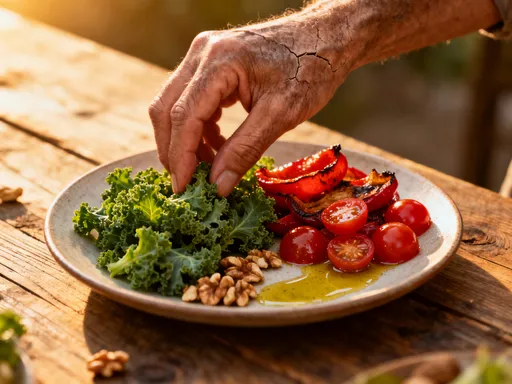
A food-first approach is the most sustainable and effective way to support long-term health. Focus on incorporating a variety of colorful vegetables, high-quality proteins, healthy fats, and whole grains into daily meals. These foods provide the building blocks the body needs to maintain skin elasticity, support joint health, and fuel cellular repair. Instead of chasing a magic pill, think of your plate as your primary anti-aging toolkit. Real nourishment comes from consistency, not convenience.
Pitfall #2: Ignoring Sleep and Stress in the Anti-Aging Game
Among the most overlooked factors in healthy aging are sleep and stress management. Yet, both have a profound impact on biological aging. Poor sleep quality and chronic stress disrupt hormone balance, weaken the immune system, and accelerate cellular damage. Cortisol, the primary stress hormone, plays a necessary role in alertness and energy regulation, but when levels remain elevated due to ongoing stress, it can impair tissue repair, increase inflammation, and contribute to weight gain—especially around the abdomen.
Sleep is when the body performs critical maintenance. During deep sleep, growth hormone is released, aiding in muscle repair and skin regeneration. The brain clears out metabolic waste, and the immune system strengthens its defenses. When sleep is consistently disrupted or insufficient, these processes are compromised. Studies show that adults who sleep less than six hours per night on a regular basis have higher levels of inflammatory markers and shorter telomeres compared to those who get seven to eight hours.
Managing stress is equally important. Chronic stress doesn’t just affect mood—it alters gene expression, suppresses immune function, and contributes to premature aging. The good news is that you don’t need extreme measures to make a difference. Simple, consistent practices can build resilience over time. These include daily mindfulness or deep breathing exercises, regular time in nature, journaling, or engaging in hobbies that bring joy. Even five minutes of focused breathing can help reset the nervous system and lower cortisol levels.
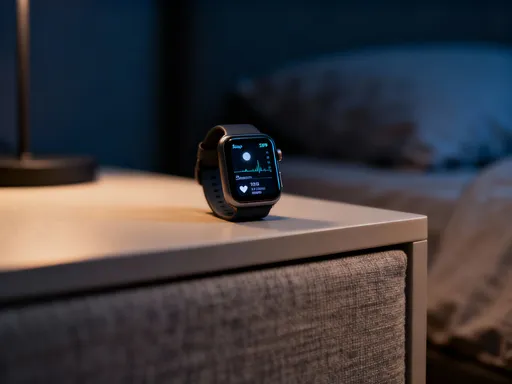
Improving sleep doesn’t require a complete lifestyle overhaul. Small changes can yield big results. Establishing a consistent bedtime routine, reducing screen time before bed, keeping the bedroom cool and dark, and avoiding caffeine in the afternoon are all evidence-based strategies. The goal isn’t perfection, but progress. Prioritizing rest isn’t indulgent—it’s a fundamental act of self-care that supports every aspect of health, from cognitive function to skin vitality.
Pitfall #3: Chasing Youth Through Extreme Diets or Workouts
In the quest for youth, many turn to extreme diets or intense workout regimens, believing that more is better. Trends like prolonged fasting, very low-carb diets, or excessive cardio are often promoted as anti-aging solutions. While short-term fasting may have some metabolic benefits for certain individuals, long-term or repeated fasting can lead to muscle loss, hormonal imbalances, and a slowed metabolism—especially in women over 40. Similarly, overexercising without adequate recovery can increase oxidative stress and inflammation, counteracting the very benefits exercise is meant to provide.
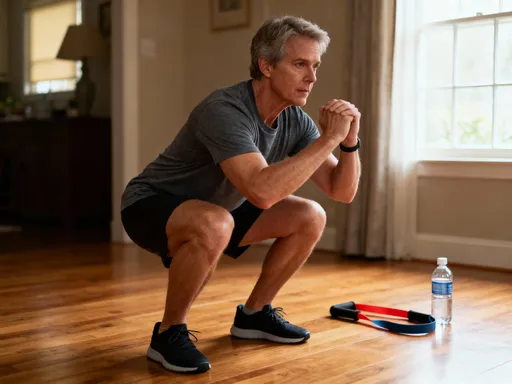
Muscle mass naturally declines with age—a process called sarcopenia—and maintaining it is essential for mobility, balance, and metabolic health. Extreme dieting often leads to loss of both fat and muscle, which can make you look thinner but weaker. Strength training, on the other hand, helps preserve and build muscle, supports bone density, and improves insulin sensitivity. It also boosts metabolism, as muscle tissue burns more calories at rest than fat tissue. A balanced approach that includes resistance training two to three times per week is far more effective for long-term vitality than hours on the treadmill.
Nutrition should also be sustainable. Rigid eating patterns—such as cutting out entire food groups or following highly restrictive plans—can lead to nutrient deficiencies, low energy, and disordered eating behaviors. The body thrives on variety and consistency, not deprivation. Instead of extreme diets, focus on eating regular, balanced meals that include protein, fiber, healthy fats, and complex carbohydrates. These nutrients stabilize blood sugar, support hormone balance, and keep energy levels steady throughout the day.
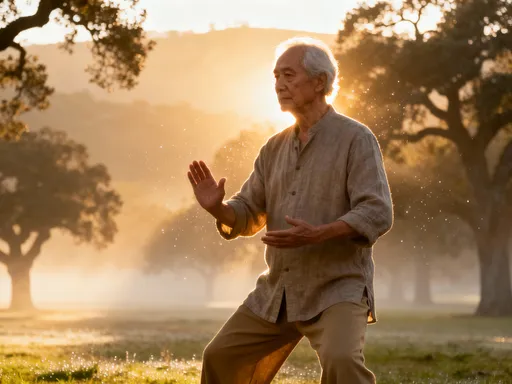
Movement should feel good, not punishing. Joyful, moderate activity—like walking in nature, dancing, yoga, or gardening—supports cardiovascular health, mental clarity, and emotional well-being. The best exercise routine is one you can stick with over time, not one that leaves you exhausted or injured. Sustainable habits compound over years, leading to real, lasting change.
Building a Smarter, Health-Optimized Life: Simple Steps That Last
After years of trial and error, I’ve learned that the most powerful anti-aging strategies are also the simplest. They don’t require expensive products, extreme measures, or constant effort. Instead, they rely on small, consistent choices that support the body’s natural ability to heal, renew, and thrive. The foundation of healthy aging isn’t found in a bottle or a trend—it’s built daily through how we eat, move, rest, and respond to stress.
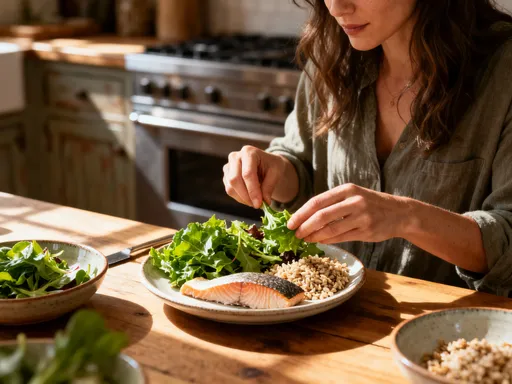
Start by prioritizing protein. As we age, the body becomes less efficient at using dietary protein to build and maintain muscle. Aim to include a source of high-quality protein—such as eggs, fish, legumes, or Greek yogurt—at every meal. This supports muscle preservation, keeps you feeling full, and stabilizes energy levels. Pair that with plenty of colorful vegetables, which provide antioxidants and fiber, and healthy fats like avocado, nuts, and olive oil, which support brain and skin health.
Movement is non-negotiable, but it doesn’t have to be intense. A daily walk, especially in natural light, does wonders for mood, circulation, and sleep. Add in strength training twice a week to maintain muscle and bone strength. Even 15 to 20 minutes of bodyweight exercises at home can make a difference. Hydration is another simple yet powerful habit. Water supports digestion, skin elasticity, and cognitive function. Aim for at least six to eight glasses a day, more if you’re active or live in a warm climate.
Equally important is learning to manage stress and prioritize rest. Instead of measuring success by productivity, measure it by how rested and calm you feel. Practice saying no to commitments that drain your energy. Build in moments of stillness—a few deep breaths, a short meditation, or simply sitting quietly with a cup of tea. These small pauses allow the nervous system to reset and the body to repair.
Finally, shift your focus from appearance to how you feel. Notice your energy levels, your ability to handle daily tasks, your mood, and your resilience. These are the true markers of health. When you feel strong and capable, confidence follows naturally. Trust that your body knows how to age well when given the right support. The journey isn’t about stopping time, but about living fully in each moment—with grace, strength, and self-respect.