What I Learned About Eating for My Hormones—And Why It Changed Everything
Have you ever felt constantly drained, bloated, or moody—without knowing why? I did. After years of confusing symptoms, I realized my diet wasn’t just affecting my weight—it was impacting my hormones, energy, and overall well-being. This isn’t about quick fixes or trendy diets. It’s about building a sustainable, science-backed way of eating that actually supports female health from the inside out. Hormones regulate everything from mood and metabolism to sleep and reproductive health. When they’re out of balance, the body sends signals—fatigue, irritability, irregular cycles, weight gain—that are often dismissed as normal. But they’re not. Through research and personal experience, I discovered how food can either disrupt or restore hormonal harmony. Here’s what changed everything.
The Hidden Link Between Food and Female Physiology
Food is more than fuel—it’s information. Every bite sends messages to the body’s intricate hormonal network, influencing how hormones are produced, released, and regulated. For women, this connection is especially powerful due to the complexity of the endocrine system, which governs menstrual cycles, fertility, metabolism, and emotional well-being. Hormonal balance depends on a delicate interplay between insulin, cortisol, estrogen, progesterone, and thyroid hormones—all of which are directly affected by dietary choices.
The endocrine system functions like a finely tuned orchestra, with each hormone playing a specific role. Insulin, for example, manages blood sugar levels and influences energy storage. When insulin spikes repeatedly due to high sugar intake, it can lead to insulin resistance—a condition linked to weight gain, polycystic ovary syndrome (PCOS), and increased risk of type 2 diabetes. Cortisol, the stress hormone, rises not only in response to emotional pressure but also to blood sugar fluctuations and poor sleep. Chronically elevated cortisol can suppress reproductive hormones, disrupt menstrual cycles, and contribute to abdominal fat accumulation.
Inflammation is another key factor. A diet high in processed foods, refined sugars, and unhealthy fats promotes systemic inflammation, which interferes with hormone signaling. Over time, this low-grade inflammation can impair ovarian function, reduce progesterone production, and increase the risk of conditions like endometriosis and fibroids. On the other hand, an anti-inflammatory diet rich in whole foods supports hormonal clarity and long-term reproductive health.
Women’s nutritional needs also shift across life stages—menstruation, pregnancy, postpartum, perimenopause, and menopause—each requiring different nutrient priorities. For instance, during the luteal phase of the menstrual cycle, progesterone rises, increasing appetite and sensitivity to blood sugar changes. In perimenopause, declining estrogen affects metabolism, bone density, and mood regulation. A one-size-fits-all approach to eating fails to account for these biological rhythms. Instead, a flexible, responsive way of eating that honors the body’s changing needs is essential for hormonal resilience.
Common Dietary Mistakes That Disrupt Hormonal Balance
Many well-intentioned eating habits can unknowingly sabotage hormonal health. One of the most widespread issues is the overconsumption of processed carbohydrates and added sugars. These foods cause rapid spikes in blood glucose, prompting the pancreas to release large amounts of insulin. Over time, cells become less responsive to insulin, leading to insulin resistance. This condition is strongly associated with hormonal imbalances, particularly in women with PCOS, where high insulin levels stimulate excess testosterone production, contributing to acne, hair growth, and irregular periods.
Another common mistake is undereating or following extreme calorie-restricted diets. While the intention may be weight loss, the body often interprets severe restriction as a state of famine. In response, it slows down metabolism by reducing thyroid hormone production and increases cortisol to mobilize stored energy. This survival mechanism can suppress ovulation, delay menstruation, and lead to amenorrhea—the absence of periods. Studies show that even short-term underfueling can disrupt the hypothalamic-pituitary-ovarian axis, the central pathway controlling reproductive hormones.
Additionally, many women avoid dietary fats out of fear of gaining weight. Yet, healthy fats are fundamental to hormone production. Cholesterol, often misunderstood, is the building block for steroid hormones like estrogen and progesterone. Without adequate fat intake, the body cannot synthesize these hormones efficiently. Low-fat diets have been linked to menstrual irregularities and reduced fertility. The key is choosing the right kinds of fats—monounsaturated and polyunsaturated fats from sources like avocados, nuts, seeds, and fatty fish—which support cellular health and hormone signaling.
Other problematic patterns include skipping meals, relying on caffeine for energy, and consuming excessive alcohol. All of these behaviors place additional stress on the adrenal glands, which regulate cortisol and DHEA. Chronic stress, whether emotional or physiological, leads to hormonal dysregulation. Recognizing these subtle but impactful habits is the first step toward creating a diet that truly supports hormonal balance.
The Core Principle: Eating for Stability, Not Deprivation
The foundation of hormone-supportive eating is stability—stable blood sugar, stable energy, and stable mood. Unlike restrictive diets that promote deprivation, this approach focuses on consistent nourishment. When blood sugar fluctuates dramatically, the body responds with hormonal surges and crashes that affect energy, appetite, and emotional well-being. A balanced meal that includes protein, fiber, and healthy fats helps maintain steady glucose levels, preventing the rollercoaster of hunger, fatigue, and cravings.
Insulin and glucagon work together to keep blood sugar within a healthy range. When you eat a meal high in refined carbohydrates with little protein or fat, glucose enters the bloodstream quickly, causing insulin to spike. This rapid drop afterward leads to hypoglycemia, triggering hunger and irritability. Over time, this pattern strains the pancreas and increases the risk of insulin resistance. By contrast, meals that combine complex carbohydrates with protein and fat slow glucose absorption, allowing for a gradual release of energy.
Shifting from “diet mode” to “nourishment mode” means rejecting the idea that food should be earned or restricted. It means honoring hunger cues, eating regularly, and choosing foods that provide lasting satisfaction. For example, replacing a sugary breakfast pastry with a meal of scrambled eggs, sautéed spinach, and half an avocado not only stabilizes blood sugar but also supplies essential nutrients like choline, iron, and omega-3 fatty acids—critical for liver detoxification of excess estrogen and brain health.
This shift is not about perfection but consistency. Occasional treats are part of a balanced life. The goal is to make nutrient-dense foods the default, so the body receives the raw materials it needs to function optimally. Over time, this approach reduces cravings, improves sleep, and enhances mental clarity—all signs of improved hormonal regulation.
The Five Foundational Foods Every Woman Should Prioritize
Certain foods have a disproportionately positive impact on hormonal health. Incorporating these five categories into daily meals can create a powerful foundation for balance and vitality.
Whole grains like oats, quinoa, brown rice, and barley are rich in fiber, particularly soluble fiber, which plays a crucial role in estrogen metabolism. The liver processes excess estrogen and sends it to the intestines for elimination. Fiber binds to estrogen in the gut and helps remove it from the body, preventing reabsorption. This process, known as the enterohepatic circulation, supports hormonal balance and may reduce the risk of estrogen-dominant conditions like fibroids and certain breast cancers. Additionally, whole grains provide B vitamins, which are essential for energy production and nervous system function.
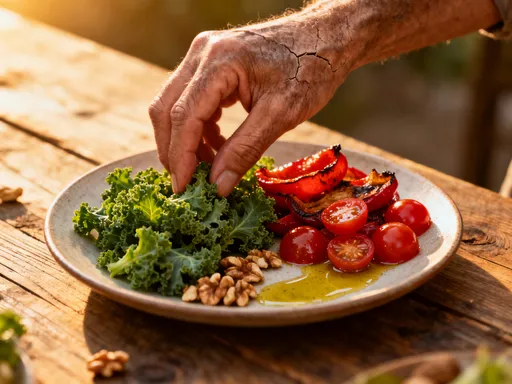
Leafy green vegetables such as kale, spinach, Swiss chard, and collard greens are nutritional powerhouses. They are excellent sources of magnesium, a mineral involved in over 300 enzymatic reactions in the body. Magnesium helps regulate cortisol, supports muscle relaxation, and promotes restful sleep. Deficiency is common, especially in women with PMS, as magnesium levels drop during the menstrual cycle. Greens also provide folate, a B vitamin critical for DNA synthesis and repair, and vitamin K, which supports bone health—especially important during perimenopause when bone turnover increases.
Fatty fish like salmon, mackerel, sardines, and herring are rich in omega-3 fatty acids, particularly EPA and DHA. These fats reduce inflammation, support brain health, and improve insulin sensitivity. Omega-3s also play a role in prostaglandin production—hormone-like compounds that regulate inflammation and uterine function. Women who consume adequate omega-3s often report less menstrual pain and more regular cycles. For those who do not eat fish, plant-based sources like flaxseeds, chia seeds, and walnuts provide alpha-linolenic acid (ALA), which the body can partially convert to EPA and DHA.
Fermented foods such as yogurt, kefir, sauerkraut, kimchi, and miso support a healthy gut microbiome. Emerging research shows a strong connection between gut health and hormonal balance, often referred to as the gut-hormone axis. Beneficial bacteria help metabolize and regulate estrogen levels. An imbalance in gut flora, known as dysbiosis, has been linked to estrogen dominance and increased inflammation. Regular consumption of fermented foods introduces probiotics that enhance microbial diversity and strengthen the gut barrier, reducing systemic inflammation and supporting immune function.
Lean and plant-based proteins are essential for tissue repair, enzyme production, and satiety. Animal sources like chicken, turkey, eggs, and Greek yogurt provide complete proteins with all essential amino acids. Plant-based options such as lentils, chickpeas, tofu, and tempeh offer fiber and phytonutrients. Protein also helps stabilize blood sugar when paired with carbohydrates and supports the production of neurotransmitters like serotonin and dopamine, which influence mood and sleep. Including a source of protein at every meal is a simple yet effective strategy for hormonal and metabolic health.
Meal Timing and Rhythm: Why When You Eat Matters as Much as What
Nutrition is not just about food choices—it’s also about timing. The body operates on circadian rhythms, internal clocks that regulate hormone release, metabolism, and digestion. Eating at irregular times or skipping meals can disrupt these rhythms, leading to hormonal imbalances. For example, skipping breakfast can elevate cortisol levels and impair insulin sensitivity later in the day, increasing the risk of fat storage and cravings.
Consistent meal patterns help synchronize the body’s internal clock with external cues like light and food intake. Eating meals at roughly the same time each day supports stable cortisol rhythms, efficient digestion, and balanced energy. Research suggests that front-loading calories—consuming a larger proportion of daily food intake earlier in the day—can improve metabolic health and support weight management. A substantial breakfast with protein, healthy fats, and complex carbohydrates sets a positive tone for the day, reducing the likelihood of overeating at night.
Extended fasting or skipping meals may seem beneficial for weight loss, but for many women, it can backfire. The female body is particularly sensitive to energy availability. Prolonged periods without food signal stress, prompting the release of cortisol and adrenaline. Over time, this can disrupt thyroid function, suppress reproductive hormones, and lead to fatigue and brain fog. Instead of skipping meals, a better approach is to space meals every 3–4 hours, ensuring a steady supply of nutrients.
Practical tips for improving meal timing include planning meals ahead, preparing snacks like nuts or fruit, and avoiding eating too late at night. Finishing dinner at least two to three hours before bedtime supports digestion and improves sleep quality. Good sleep, in turn, regulates hunger hormones like leptin and ghrelin, reducing nighttime cravings and supporting hormonal balance.
Lifestyle Integration: Pairing Nutrition with Sleep, Movement, and Stress Management
Nutrition does not exist in isolation. It works synergistically with sleep, physical activity, and stress management to support hormonal health. Sleep is one of the most powerful regulators of hormones. During deep sleep, the body repairs tissues, balances cortisol, and releases growth hormone. Poor sleep disrupts the production of leptin, the hormone that signals fullness, and increases ghrelin, the hunger hormone. This imbalance often leads to increased appetite, especially for high-calorie, sugary foods.
Reproductive hormones are also affected by sleep quality. Women who consistently sleep less than seven hours per night are more likely to experience irregular cycles and reduced fertility. Establishing a regular sleep schedule, reducing screen time before bed, and creating a calming bedtime routine can significantly improve hormonal regulation.
Movement is another critical component. While intense, prolonged exercise can increase cortisol and suppress ovulation in some women, gentle, consistent movement supports hormonal balance. Activities like walking, yoga, swimming, and strength training improve insulin sensitivity, reduce inflammation, and enhance mood. Exercise also stimulates the release of endorphins, natural pain relievers that can ease menstrual discomfort and improve emotional well-being.
Stress management is equally important. Chronic stress keeps cortisol elevated, which can lead to fatigue, weight gain, and hormonal dysfunction. Nutrition plays a role here too—foods rich in magnesium, B vitamins, and antioxidants help the body cope with stress. Establishing routines, practicing mindfulness, and setting boundaries are effective non-diet strategies for lowering cortisol and restoring balance.
Building Your Own Sustainable System—Not a Diet
The goal is not to follow a rigid set of rules but to build a personalized, sustainable system that supports long-term health. This means moving away from short-term fixes like detoxes or elimination diets and toward consistent, nourishing habits. Every woman’s body is different—some thrive on frequent small meals, others prefer three larger ones. Some do well with more carbohydrates, others feel better with higher fat intake. The key is observation: paying attention to energy levels, digestion, mood, and cycle regularity.
Tracking symptoms throughout the menstrual cycle can reveal patterns. For example, increased bloating in the luteal phase may indicate a need for more magnesium or reduced salt intake. Low energy after ovulation might suggest a need for more iron-rich foods. Tailoring food choices to these natural fluctuations honors the body’s biology and enhances hormonal harmony.
Food should be an act of self-care, not punishment. Restrictive eating often leads to guilt, obsession, and rebound overeating. A compassionate approach—one that includes a variety of whole foods, allows for flexibility, and emphasizes progress over perfection—leads to lasting change. Small, consistent actions—like adding a serving of greens to lunch or drinking more water—accumulate over time.
It’s also important to consult a healthcare provider before making major dietary or lifestyle changes, especially for women with diagnosed hormonal conditions. A registered dietitian or functional medicine practitioner can offer personalized guidance based on lab work and medical history.
Reclaiming energy, clarity, and vitality is possible. It begins with understanding that food is not the enemy—it’s a powerful tool for healing. By choosing real, nourishing foods, eating regularly, and supporting the body with rest and movement, women can restore balance and feel more like themselves. This isn’t a diet. It’s a return to listening, honoring, and nurturing the body—one meal at a time.