Sleep Is My Secret Weapon — And Here’s How I Track It
Getting enough sleep isn’t just about feeling rested—it’s a core health indicator that affects everything from focus to immunity. I used to overlook it until fatigue hit hard. Now, I monitor my sleep like a vital sign. It’s not complicated; small, consistent changes made a real difference. This is how I transformed my nights—and my health—through simple, science-backed habits anyone can try. What began as a personal experiment became a daily ritual grounded in awareness, intention, and care. Sleep is no longer something I sacrifice; it’s the foundation I protect.
The Hidden Power of Sleep
Sleep is one of the most powerful yet underappreciated pillars of health, standing alongside nutrition and physical activity. Despite its importance, many people treat sleep as optional—something to be shortened in favor of work, scrolling, or household tasks. The reality is that poor sleep undermines nearly every system in the body. Research consistently shows that insufficient or disrupted sleep is linked to slower cognitive processing, reduced attention span, and impaired memory consolidation. It’s not just about feeling groggy the next day; it’s about how your brain encodes what you learned, processes emotions, and prepares for new challenges.
Beyond mental sharpness, sleep plays a critical role in immune function. During deep sleep stages, the body produces cytokines—proteins that help fight infection and inflammation. When sleep is cut short or fragmented, this protective response weakens, making individuals more susceptible to common illnesses like colds and flu. Long-term sleep deficiency has also been associated with a higher risk of chronic conditions, including heart disease, type 2 diabetes, and hypertension. These aren’t distant possibilities—they’re real outcomes supported by decades of clinical studies.
Equally important is sleep’s impact on emotional well-being. Without adequate rest, the brain’s emotional regulation centers become overactive, increasing sensitivity to stress and reducing resilience. This can manifest as irritability, mood swings, or a lower threshold for frustration—common experiences for those running on low sleep. A mother juggling family responsibilities, a professional managing deadlines, or someone caring for aging parents may not connect their low mood to sleep, but the link is strong and scientifically validated. Recognizing sleep as a non-negotiable element of health is the first step toward lasting change.
Why We Ignore This Vital Sign
Despite overwhelming evidence, sleep often falls to the bottom of personal health priorities. One reason is cultural: in many societies, busyness is worn like a badge of honor. Phrases like “I’ll sleep when I’m dead” or “I function fine on five hours” are shared casually, even proudly. This mindset frames rest as laziness and productivity as the ultimate measure of worth. Over time, this belief becomes internalized, leading individuals to downplay their fatigue or dismiss the need for consistent rest.
Another barrier is invisibility. Unlike weight, blood pressure, or cholesterol, sleep isn’t routinely measured during standard medical checkups. There’s no number on a lab report to prompt concern—so unless someone experiences severe insomnia or excessive daytime sleepiness, poor sleep can go unnoticed for years. This lack of routine assessment allows sleep issues to develop silently, often surfacing only when they contribute to more serious health problems.
Modern lifestyles further compound the issue. Constant exposure to screens—phones, tablets, laptops—delivers blue light that suppresses melatonin, the hormone responsible for signaling sleep onset. Stress from work, finances, or family responsibilities can keep the mind active long after bedtime. Irregular schedules, such as shifting work hours or inconsistent weekend routines, disrupt the body’s internal clock, known as the circadian rhythm. These factors create a perfect storm for poor sleep, yet many people remain unaware of their cumulative impact. Without tracking, it’s easy to miss the patterns that reveal a deeper problem.
What Real Sleep Quality Looks Like
When discussing sleep, duration is important—but it’s only part of the picture. True sleep quality involves several elements working together: getting 7 to 9 hours of sleep per night (as recommended by the National Sleep Foundation), maintaining a consistent sleep-wake schedule, experiencing minimal awakenings during the night, and waking up feeling refreshed. These factors together indicate that the body has completed multiple full sleep cycles, allowing for physical restoration, memory processing, and emotional regulation.
Sleep occurs in cycles that last about 90 minutes, moving through light sleep, deep sleep, and rapid eye movement (REM) sleep. Light sleep acts as a transition, helping the body wind down. Deep sleep is crucial for physical recovery—tissue repair, muscle growth, and immune strengthening happen during this phase. REM sleep, where most dreaming occurs, supports cognitive functions like learning, creativity, and emotional processing. A full night’s sleep typically includes four to six cycles, each contributing uniquely to overall well-being.
Think of high-quality sleep like charging a phone battery overnight. If you only plug it in for a few hours, it may power on, but it won’t last through the day. Similarly, if sleep is interrupted or cut short, the body doesn’t complete enough cycles to fully recharge. Someone might sleep 8 hours but wake up frequently, reducing the time spent in restorative deep and REM stages. Others may go to bed at different times each night, confusing the body’s internal clock and making it harder to fall asleep or wake up naturally. Consistency and rhythm are just as vital as total time spent in bed.
Feeling alert and energized in the morning, maintaining steady energy throughout the day, and not relying on caffeine or naps to stay awake are all signs of good sleep quality. These outcomes are achievable through intentional habits and awareness—not extreme measures or expensive interventions. Understanding what healthy sleep looks like helps set realistic goals and recognize progress over time.
Simple Ways to Measure Your Sleep
Tracking sleep doesn’t require advanced technology or medical equipment. One of the most effective and accessible tools is a sleep journal. This low-tech method involves writing down the time you go to bed, when you wake up, how many times you woke during the night, and how you felt upon waking—on a scale from “exhausted” to “refreshed.” Over time, this record reveals patterns, such as whether late dinners, screen use, or stress affect sleep duration or quality. It also builds self-awareness, making it easier to connect daily choices with nighttime outcomes.
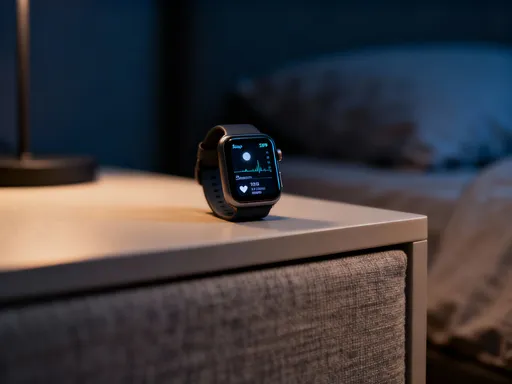
For those open to technology, wearable devices like smartwatches or fitness trackers offer additional insights. These tools estimate sleep stages, heart rate variability, and movement throughout the night, providing a visual breakdown of light, deep, and REM sleep. While convenient, it’s important to remember that consumer-grade trackers are not medical devices. Their data should be used as a general guide rather than an absolute measurement. Variability between devices and individual physiology means numbers may not be perfectly accurate, but trends over time—such as consistently low deep sleep or frequent awakenings—can still highlight areas for improvement.
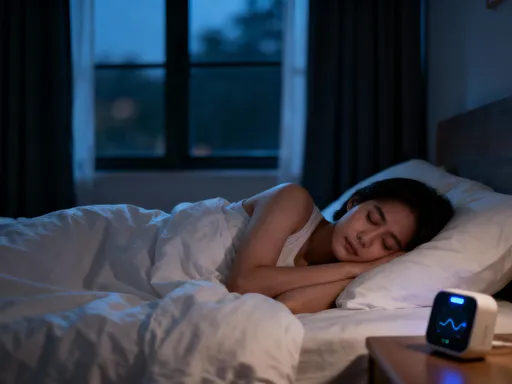
Sleep tracking apps are another option. Some use the microphone on your phone to detect sounds like snoring or talking in your sleep, while others analyze movement through the phone’s accelerometer. Placing the phone on the mattress or nearby nightstand allows these apps to estimate sleep patterns without requiring wearables. Like trackers, they offer useful trends but should be interpreted with caution. The goal isn’t precision but pattern recognition—understanding how lifestyle factors influence rest.
Regardless of the method, the key is consistency. Tracking for just one or two nights won’t reveal much, but doing so over two to four weeks can uncover meaningful insights. The process itself encourages mindfulness about bedtime routines and habits. It transforms sleep from an automatic function into a measurable part of health—just like step count, hydration, or meal planning. For many, simply starting to track sleep leads to immediate improvements, as awareness naturally prompts better choices.
Daily Habits That Actually Improve Sleep
Improving sleep doesn’t require drastic changes. Small, sustainable habits—practiced consistently—have a greater long-term impact than short-lived overhauls. One of the most effective is setting a fixed wake-up time, even on weekends. This anchors the circadian rhythm, helping the body expect sleep at roughly the same time each night. Over time, this consistency makes it easier to fall asleep and wake up naturally, reducing reliance on alarms and grogginess.
Exposure to natural light in the morning plays a supporting role. Spending just 15 to 30 minutes outside shortly after waking helps regulate the internal clock by signaling the brain to suppress melatonin and increase alertness. This simple act strengthens the body’s natural sleep-wake cycle, making nighttime drowsiness more predictable. For those with limited outdoor access, sitting near a bright window or using a light therapy lamp can offer similar benefits.
In the evening, reducing blue light exposure is essential. Screens emit wavelengths that mimic daylight, tricking the brain into staying alert. Limiting phone, tablet, and TV use 1 to 2 hours before bed allows melatonin levels to rise naturally. If screen use is unavoidable, enabling night mode or wearing blue light-blocking glasses can help minimize disruption. Replacing screen time with calming activities—such as reading a physical book, listening to soft music, or practicing gentle stretching—signals the body that it’s time to wind down.
Diet also influences sleep quality. Heavy meals, spicy foods, and alcohol close to bedtime can interfere with digestion and disrupt sleep cycles. Caffeine, found in coffee, tea, chocolate, and some sodas, has a half-life of up to 6 hours, meaning even an afternoon cup can affect nighttime rest. Avoiding these substances in the late afternoon and evening supports smoother transitions into sleep. Instead, a light snack with tryptophan-rich foods—like a small banana with almond butter or a few whole-grain crackers with cheese—may promote relaxation.
Creating a bedtime ritual reinforces these habits. Whether it’s journaling, taking a warm bath, or practicing deep breathing, a consistent routine tells the brain it’s time to shift into rest mode. Over time, these cues become powerful triggers for sleep readiness, much like brushing teeth signals the end of the day. The goal is not perfection but progress—building a routine that feels doable and nurturing, not stressful or rigid.
When to Seek Professional Support
While lifestyle adjustments help many people improve their sleep, they aren’t always enough. Some individuals follow healthy habits diligently yet continue to struggle with falling asleep, staying asleep, or waking up unrefreshed. In these cases, an underlying sleep disorder may be present. One common condition is obstructive sleep apnea, characterized by loud snoring, gasping for air during sleep, and excessive daytime fatigue—even after a full night in bed. Left untreated, sleep apnea increases the risk of high blood pressure, heart disease, and stroke.
Chronic insomnia is another concern, defined as difficulty falling or staying asleep at least three nights per week for three months or more. Unlike temporary sleep disruptions caused by stress or travel, chronic insomnia persists despite efforts to improve sleep hygiene. It can be linked to anxiety, medical conditions, or certain medications. Recognizing the difference between occasional poor sleep and a persistent disorder is crucial for seeking timely support.
Tracking sleep can play a valuable role in identifying these issues. A journal or wearable device may reveal patterns—such as frequent nighttime awakenings, unusually low deep sleep, or inconsistent sleep duration—that warrant professional evaluation. Sharing this data with a healthcare provider helps inform diagnosis and treatment options, which may include cognitive behavioral therapy for insomnia (CBT-I), positional therapy, or the use of a continuous positive airway pressure (CPAP) machine for sleep apnea.
It’s important to emphasize that tracking is not a substitute for medical advice. While self-monitoring builds awareness, only a qualified provider can diagnose sleep disorders and recommend appropriate interventions. Women, especially during perimenopause or menopause, may experience sleep disturbances due to hormonal changes and should feel empowered to discuss these concerns with their doctors. Seeking help is not a sign of failure—it’s an act of self-care and commitment to long-term health.
Making Sleep a Lifestyle, Not a Chore
The most sustainable approach to better sleep is to reframe it as an act of self-respect, not a lost opportunity for productivity. Instead of viewing bedtime as time taken away from chores or entertainment, consider it an investment in tomorrow’s energy, clarity, and emotional balance. This shift in mindset transforms sleep from a chore into a daily appointment with your future self—one that pays compound interest in well-being.
Habit stacking can make this easier. Pairing a new sleep habit with an existing one increases the likelihood of consistency. For example, after brushing your teeth, you might do five minutes of deep breathing. Or, right after turning off the living room lights, you put your phone on airplane mode. These small links create automatic routines that require less willpower over time. The goal is to build a sleep-supportive environment that feels natural and nurturing, not restrictive or punitive.
Progress, not perfection, should be the measure of success. Some nights will be better than others, and that’s normal. Life events, travel, or illness may temporarily disrupt routines—and that’s okay. What matters is returning to healthy patterns without self-criticism. Celebrating small wins—like going to bed 15 minutes earlier or reducing screen time before bed—builds motivation and reinforces positive behavior.
Over time, the benefits become undeniable: sharper thinking, improved mood, stronger immunity, and greater resilience in the face of daily demands. These outcomes aren’t achieved through quick fixes but through consistent, intentional choices. Sleep is not a luxury. It is a biological necessity, a daily reset, and a quiet promise to care for yourself. By tracking it, honoring it, and protecting it, you give your body and mind the foundation they need to thrive—one restful night at a time.