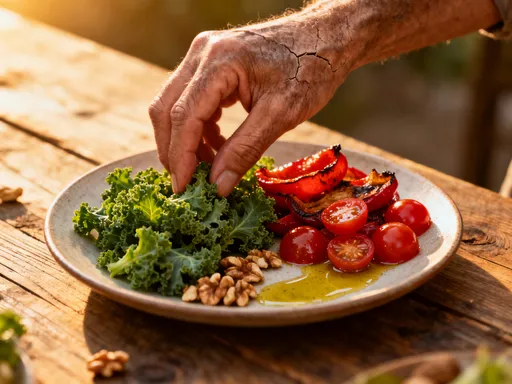
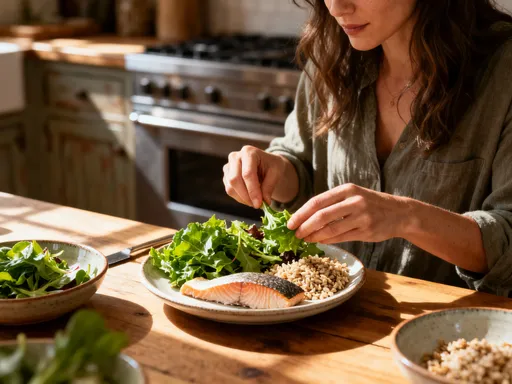
What If Your Plate Could Turn Back Time?
What if the secret to looking and feeling younger wasn’t hidden in a high-end serum or a costly clinic visit, but right on your dinner plate? Aging is a natural journey, but the pace and quality of that journey are influenced by daily choices—especially what we eat. Fatigue, dull skin, slower recovery, and brain fog aren’t just signs of getting older; they can be signals of nutritional gaps. I’ve tested this firsthand, shifting my diet to prioritize real, nourishing foods, and the changes were clear: more energy, brighter skin, and a sharper mind. Science confirms it—what we eat plays a powerful role in how our cells age. The good news? You don’t need a miracle. You need a mindset shift—and a better plate.
The Hidden Link Between Food and Aging
At the heart of aging lies a quiet biological process shaped significantly by what we eat. While time moves forward, the condition of our cells doesn’t have to decline at the same rate. The key lies in understanding three interconnected forces: oxidative stress, chronic inflammation, and telomere shortening. These are not just scientific terms—they are real processes that influence how we feel, look, and function as we age. Oxidative stress occurs when free radicals, unstable molecules produced by normal metabolism and environmental factors like pollution, outnumber the body’s ability to neutralize them. This imbalance damages cells, proteins, and DNA over time. Think of it like rust forming on metal—slow, invisible, but ultimately weakening the structure.
Chronic inflammation is another silent driver of aging. Unlike acute inflammation, which helps the body heal from injury or infection, chronic inflammation lingers at a low level and can persist for years. It’s linked to a range of age-related conditions, including joint stiffness, cognitive decline, and heart concerns. Diet plays a major role in either fueling or calming this internal fire. Foods high in sugar, trans fats, and refined carbohydrates tend to increase inflammatory markers, while whole plant foods, healthy fats, and fiber help reduce them. The connection is so strong that researchers often refer to poor diet as a form of “metabolic stress” that accelerates biological aging.
Telomeres, the protective caps at the ends of our chromosomes, offer another window into how food affects aging. Each time a cell divides, telomeres naturally shorten. When they become too short, the cell can no longer divide and may enter a state of senescence or die. Shorter telomeres are associated with older biological age, even if the calendar says otherwise. Studies suggest that lifestyle factors, especially diet, can influence the rate of telomere shortening. Diets rich in antioxidants and omega-3 fatty acids, such as the Mediterranean pattern, have been linked to longer telomeres. This doesn’t mean food can stop time, but it can help slow cellular wear and support healthier aging from within.
Why Anti-Aging Starts in the Kitchen, Not the Clinic
Many people turn to clinics, creams, and cosmetic procedures in search of a youthful appearance. While some treatments offer temporary improvements in skin texture or tone, they often address symptoms rather than root causes. True vitality—energy, resilience, mental clarity—comes from inside the body, not from surface-level fixes. This is why food is one of the most powerful anti-aging tools available. Unlike topical solutions that work on the skin’s outer layer, a nutrient-rich diet supports every organ, system, and cell. It influences hormone balance, immune function, and even gene expression. The benefits are not just visible; they are felt in how easily you move, how well you sleep, and how focused you are during the day.
Consider the difference between applying a moisturizer and drinking enough water while eating foods rich in essential fatty acids. The cream may smooth fine lines temporarily, but hydration and internal nourishment support skin elasticity at the cellular level. Similarly, injectables may lift sagging tissue, but strong muscles and connective tissue—built through proper protein intake and overall nutrition—are what sustain structure over time. The advantage of food-based strategies is their sustainability. A balanced diet doesn’t require recovery time, carry risks of side effects, or fade after a few months. Instead, it builds a foundation for long-term well-being, reducing the risk of chronic conditions that accelerate aging.
Moreover, food offers holistic benefits that extend beyond appearance. A plate filled with colorful vegetables, whole grains, and healthy proteins doesn’t just support skin health—it also stabilizes blood sugar, supports heart function, and protects brain cells. This interconnected impact is something no single treatment can replicate. While professional care has its place, especially for medical concerns, prevention through daily eating habits is both cost-effective and empowering. When you choose foods that nourish your body, you’re making a long-term investment in how you age—one that no procedure can match.
The Power Players: Nutrients That Defend Your Cells
Certain nutrients stand out for their ability to protect and repair cells, slowing the visible and internal signs of aging. Among the most important are antioxidants, polyphenols, omega-3 fatty acids, and dietary fiber. These compounds don’t work in isolation; they interact in complex ways to support the body’s natural defenses. Antioxidants, such as vitamins C and E, neutralize free radicals before they can cause cellular damage. They are found abundantly in fruits and vegetables—berries, citrus, spinach, and bell peppers are excellent sources. Vitamin C, in particular, also plays a direct role in collagen production, which helps maintain skin firmness and joint health.
Polyphenols are another group of protective compounds found in plant foods. These include flavonoids, resveratrol, and curcumin, which have been studied for their anti-inflammatory and cell-protective effects. Foods like dark chocolate, green tea, olives, and turmeric are rich in polyphenols. For example, the catechins in green tea have been shown to support metabolic health and protect against oxidative damage. Unlike isolated supplements, whole foods deliver these compounds in balanced combinations, along with fiber and other nutrients that enhance absorption and effectiveness. This synergy is one reason why experts emphasize eating real food over relying on pills.
Omega-3 fatty acids, primarily found in fatty fish like salmon and sardines, as well as in flaxseeds and walnuts, are essential for brain and heart health. They help reduce inflammation, support cell membrane integrity, and may slow cognitive decline. Research suggests that higher intake of omega-3s is associated with better mood, improved memory, and reduced risk of age-related eye conditions. Fiber, often overlooked, is equally vital. It feeds beneficial gut bacteria, which play a role in immune function and inflammation control. A healthy gut microbiome has been linked to clearer skin, stable energy, and even emotional well-being. Whole grains, legumes, vegetables, and fruits are all rich in fiber, making them cornerstones of an anti-aging diet.
What to Eat: A Realistic Anti-Aging Diet Framework
An effective anti-aging diet isn’t about strict rules or extreme restrictions—it’s about building a sustainable, enjoyable way of eating that supports long-term health. The foundation of this approach is whole, minimally processed foods. A plate rich in vegetables, fruits, whole grains, legumes, nuts, seeds, healthy fats, and lean proteins provides the full spectrum of nutrients needed for cellular repair and energy production. One well-studied pattern that aligns with these principles is the Mediterranean diet, which emphasizes plant-based foods, olive oil, fish, and moderate consumption of dairy and poultry. Research consistently links this way of eating to longer life expectancy and reduced risk of chronic diseases.
A typical day on this plan might start with a breakfast of oatmeal topped with berries, chia seeds, and a sprinkle of nuts—offering fiber, antioxidants, and healthy fats. Lunch could be a large salad with leafy greens, roasted vegetables, chickpeas, and a dressing made from olive oil and lemon juice. This combination delivers vitamins, polyphenols, plant protein, and anti-inflammatory fats. Dinner might include grilled salmon or tofu, quinoa, and steamed broccoli, providing omega-3s, complete protein, and sulforaphane, a compound studied for its cell-protective properties. Snacks can be simple: an apple with almond butter, a handful of walnuts, or plain yogurt with cinnamon and fruit.
For many, the challenge isn’t knowing what to eat—it’s making it practical. Taste preferences, budget, and time are real concerns. The good news is that anti-aging eating doesn’t require exotic ingredients or gourmet skills. Frozen vegetables, canned beans, and seasonal produce can be just as nutritious as fresh, and often more affordable. Batch cooking grains and roasting vegetables in advance can save time during busy weeks. The goal is consistency, not perfection. Even small improvements—adding one more serving of vegetables per day or swapping sugary drinks for herbal tea—can make a meaningful difference over time.
Foods That Accelerate Aging (And How to Swap Them)
Just as certain foods protect the body, others can speed up the aging process. The main culprits are highly processed foods, added sugars, and refined carbohydrates. These items are often low in nutrients but high in calories, contributing to weight gain, blood sugar spikes, and chronic inflammation. Sugary beverages like soda and sweetened teas are among the worst offenders. Regular consumption has been linked to insulin resistance, fatty liver, and accelerated skin aging through a process called glycation, where sugar molecules attach to proteins like collagen, making them stiff and less functional.
Refined grains, such as white bread, pastries, and many breakfast cereals, have a similar effect. They are stripped of fiber and nutrients during processing, leading to rapid digestion and blood sugar fluctuations. Over time, this pattern can increase the risk of metabolic syndrome and reduce energy stability. Processed meats like sausages, bacon, and deli meats contain compounds such as sodium nitrite and advanced glycation end products (AGEs), which may promote inflammation and oxidative stress. Even some store-bought sauces and dressings can be hidden sources of sugar and unhealthy fats, undermining otherwise healthy meals.
The solution isn’t deprivation—it’s smart substitution. Instead of white bread, choose whole grain or sprouted grain versions that offer more fiber and nutrients. Replace sugary snacks with fruit and nut combinations that satisfy sweet cravings while delivering healthy fats and protein. Swap processed meats for grilled chicken, beans, or lentils in sandwiches and salads. Use homemade dressings with olive oil, vinegar, and herbs instead of bottled versions. These changes don’t require a complete overhaul of your kitchen. Start with one or two swaps per week, and let them become habits. Over time, your taste buds will adapt, and the processed options may even begin to taste too sweet or artificial.
Beyond Salad: Building Flavor and Joy Into Longevity Eating
One of the biggest myths about healthy eating is that it has to be bland, boring, or overly restrictive. In reality, an anti-aging diet can be deeply satisfying, flavorful, and even indulgent in the right ways. The key is to shift the focus from what you’re giving up to what you’re gaining—rich tastes, vibrant colors, and pleasurable textures. Food is not just fuel; it’s a source of comfort, connection, and daily joy. When meals are enjoyable, people are more likely to stick with them long-term, which is essential for lasting results.
Flavor comes from more than just salt and sugar. Herbs and spices like rosemary, thyme, turmeric, garlic, and cumin add depth and complexity while offering their own health benefits. Roasting vegetables brings out their natural sweetness, while grilling or searing adds a pleasing char. Combining creamy avocado with crunchy seeds, or tender beans with crisp greens, creates a satisfying mouthfeel that keeps meals interesting. Fermented foods like sauerkraut, kimchi, and plain yogurt add tang and support gut health, enhancing both digestion and flavor.
Meal rhythm also matters. Eating at regular intervals helps maintain energy and prevent overeating later. Starting the day with a balanced breakfast, having a substantial lunch, and a lighter dinner aligns with natural metabolic patterns. Sharing meals with family or taking time to eat mindfully—without screens or distractions—can enhance satisfaction and digestion. When food is treated as a moment to savor, not just consume, it becomes part of a lifestyle that supports both physical and emotional well-being. Longevity isn’t about eating less; it’s about eating better—with pleasure.
Making It Stick: From Knowledge to Daily Habit
Knowing what to eat is only the first step. The real challenge lies in turning that knowledge into consistent action. Lasting change doesn’t come from drastic overhauls but from small, manageable steps that build over time. Trying to change everything at once often leads to frustration and burnout. A more effective approach is to pick one or two habits to focus on, such as adding a serving of vegetables to dinner or drinking more water throughout the day. Once those become routine, another change can be introduced. This gradual method respects the reality of busy lives and evolving preferences.
Mindset also plays a crucial role. Instead of viewing healthy eating as a punishment or a chore, reframe it as an act of self-care. Each meal is an opportunity to nourish your body and support your future self. Environmental cues can help reinforce new habits. Keep fresh fruit on the counter, store chopped vegetables at eye level in the fridge, and keep healthy snacks within easy reach. Reduce temptation by limiting the purchase of processed foods. These small adjustments make the healthy choice the easier choice.
Progress, not perfection, should be the goal. There will be days when convenience wins, or celebrations call for treats—and that’s okay. The overall pattern matters more than any single meal. What counts is returning to balance without guilt or self-criticism. Over time, these choices add up, creating a lifestyle that supports energy, clarity, and resilience. Aging is inevitable, but how we age is shaped by what we do today—one plate, one meal, one choice at a time.
Looking and feeling your best as you age doesn’t require a miracle. It begins with a simple truth: food is information for your cells. Every bite sends signals that either support health or contribute to decline. By choosing whole, nutrient-dense foods, you give your body the tools it needs to repair, protect, and thrive. This isn’t about chasing youth, but about honoring your body with care and intention. When you eat with purpose, you’re not just feeding yourself—you’re shaping the quality of your years to come. And that is the most powerful form of longevity there is.