How I Mastered My Health with Running — Fast & Simple
You don’t need hours at the gym to feel stronger, sharper, and more alive. I discovered that running, done right, can transform your health faster than you think. No extreme diets, no fancy gear—just consistent movement and smart habits. In this article, I’ll walk you through how a simple daily run became the foundation of my health management, boosting energy, focus, and confidence. It’s not about speed or distance—it’s about showing up and staying steady. This isn’t a story about becoming an athlete. It’s about reclaiming vitality in a busy, demanding life. And if you’ve ever felt too tired, too overwhelmed, or too stuck to start, this is for you.
The Wake-Up Call: Why I Started Running
Like many women in their thirties and beyond, my days were filled with responsibilities—work, family, household duties—that left little room for self-care. I was always doing for others, but rarely for myself. The first sign that something needed to change came in the form of constant fatigue. I would wake up already feeling drained, relying on coffee to make it through the morning and naps to survive the afternoon. My sleep, though long in duration, felt restless and unrefreshing. I’d lie awake with a racing mind, only to wake up groggy and unmotivated.
Stress had become my default state. I carried tension in my shoulders, struggled to concentrate at work, and noticed my patience with loved ones was wearing thin. My clothes fit more tightly, and I felt disconnected from my body. I tried quick fixes—detox teas, juice cleanses, skipping meals—but they only left me hungrier and more frustrated. I realized I wasn’t looking for a temporary solution. I needed a sustainable way to regain control over my health, one that fit into my real life, not some idealized version of it.
That’s when I turned to running. I didn’t choose it because I loved it—initially, I didn’t. I chose it because it was accessible. Unlike gym memberships that gather dust or complicated workout routines that require equipment, running only asks for a pair of shoes and a willingness to step outside. There’s no barrier to entry. You don’t need a special class, a trainer, or even a schedule. You can run in your neighborhood, a local park, or even on a treadmill at home. What drew me in most was the immediate feedback—how I felt after just ten minutes of movement. My mind cleared. My body warmed. For the first time in months, I felt present.
Running stood out from other forms of exercise because it didn’t feel like a performance. I wasn’t trying to impress anyone or hit a specific number on a machine. It was just me, moving forward. The simplicity of it was powerful. I didn’t have to think too hard about what to do—just put one foot in front of the other. And in that simplicity, I found a rare sense of freedom. This wasn’t about looking a certain way. It was about feeling like myself again.
Running Isn’t Just Cardio—It’s Health Management
At first, I thought of running only as a way to burn calories. But over time, I learned it does so much more. Running is not just cardiovascular exercise—it’s a full-body health strategy. It supports heart health by improving circulation and lowering blood pressure. Regular aerobic activity strengthens the heart muscle, allowing it to pump blood more efficiently. This reduces strain on the cardiovascular system and lowers the risk of heart disease, which remains a leading health concern for women over 30.
Equally important is running’s impact on metabolism. As we age, our metabolic rate naturally slows, making weight management more challenging. Running helps counteract this by increasing calorie expenditure both during and after exercise. Even a 20-minute run can elevate your metabolism for hours, a phenomenon known as excess post-exercise oxygen consumption (EPOC). This means your body continues to burn calories at a higher rate after you’ve finished, supporting long-term weight stability.
Beyond the physical benefits, running significantly enhances mental clarity. The rhythmic nature of running—breath syncing with steps—creates a meditative effect. Many women report that their best ideas come during a run, not in meetings or at their desks. This isn’t coincidence. Exercise increases blood flow to the brain, delivering oxygen and nutrients that support cognitive function. It also stimulates the release of endorphins, serotonin, and dopamine—chemicals that regulate mood, reduce anxiety, and promote feelings of well-being.
Scientific research consistently supports these benefits. Studies show that regular aerobic exercise improves memory, attention, and executive function. It has been linked to a reduced risk of cognitive decline and neurodegenerative diseases like Alzheimer’s. For women managing the demands of career, family, and aging parents, mental sharpness is not a luxury—it’s a necessity. Running offers a natural, drug-free way to stay focused and emotionally resilient.
One of the most persistent myths about running is that you have to run fast or far to benefit. This couldn’t be further from the truth. Research shows that even short, moderate-intensity runs—such as 20 to 30 minutes three times a week—can produce significant health improvements. You don’t need to train for a marathon. You don’t need to hit a six-minute mile. The key is consistency, not intensity. In fact, starting too hard too soon is one of the most common reasons people quit. The goal is not to push your limits but to build sustainable habits that support lifelong wellness.
The First Step: Starting Small Without Burning Out
I remember my first attempt at running. I laced up my shoes, stepped outside, and tried to sprint down the block. Within two minutes, I was gasping for air, my legs burning, my heart pounding. I walked back home embarrassed and discouraged. I thought, If I can’t even run five minutes, how will I ever make this a habit? That experience taught me a crucial lesson: starting too big leads to quitting fast. The real secret to success isn’t willpower—it’s strategy.
That’s when I discovered the 1:1 interval method—walking for one minute, then running for one minute, and repeating. It felt almost too simple. But within days, I noticed a difference. My breathing became more controlled. My legs felt stronger. Instead of dreading the run, I looked forward to it. The intervals gave me built-in rest, so I never felt overwhelmed. And because I was moving consistently, my endurance grew naturally.
This approach is backed by exercise science. Interval training, even at a low intensity, improves cardiovascular fitness more effectively than steady-state exercise for beginners. It allows the body to adapt gradually, reducing the risk of injury and burnout. The 1:1 method is especially effective for women who may have been sedentary for years or are returning to exercise after a long break. It builds confidence by proving that movement is possible, even in small doses.
What I learned is that consistency beats intensity every time—especially in the beginning. Showing up for ten minutes of interval walking and running five days a week does more for long-term health than one intense hour-long session followed by three days of soreness and regret. Progress isn’t measured in speed or distance. It’s measured in showing up, again and again. Each small effort builds on the last, creating momentum that eventually carries you forward.
Building a Routine That Sticks
One of the biggest challenges in any health journey is consistency. Motivation fades. Schedules change. Life happens. I knew that if running was going to become a lasting habit, it needed to be woven into my daily rhythm, not treated as an extra task. That’s when I discovered the power of habit stacking—linking a new behavior to an existing one.
I started by running right after my morning coffee. The ritual of brewing and drinking my coffee became the cue for lacing up my shoes. Because I already did this every day, it required no extra decision-making. The coffee was non-negotiable; the run became just as routine. On days when I worked late, I switched to a post-dinner walk-run around the neighborhood. The key was anchoring the run to something I was already doing, making it feel natural rather than forced.
I also redesigned my environment to support success. I kept my running shoes by the door. I laid out my clothes the night before. These small changes reduced friction and made it easier to start. Research shows that environment shapes behavior more than willpower ever can. When the path of least resistance leads to action, habits stick.
To track progress, I used a simple habit tracker app. Each day I completed a run—no matter how short—I marked it with a check. Seeing a streak of checks build up became its own reward. I also celebrated non-scale victories: sleeping better, feeling less anxious, having more energy to play with my kids. These subtle wins kept me motivated when the number on the scale didn’t change.
Fueling the Run: Simple Nutrition That Actually Works
As my running habit grew, I noticed changes in how I ate. I didn’t follow a strict diet, but my food choices became more intentional. I realized that what I ate directly affected how I felt during and after my runs. I began to view food not as the enemy, but as fuel.
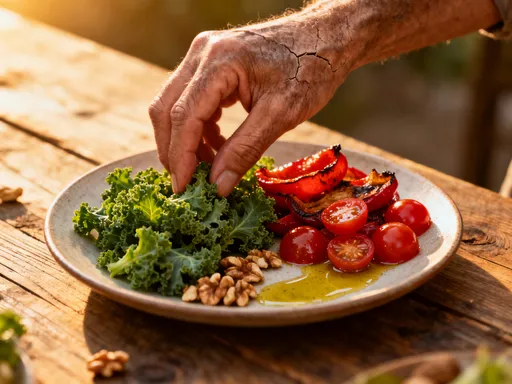
Before a morning run, I found that a small piece of toast with almond butter gave me steady energy without weighing me down. For afternoon runs, a banana with a handful of nuts worked perfectly. I avoided heavy meals and sugary snacks, which made me feel sluggish. After running, I focused on replenishing with a balance of protein and complex carbohydrates—like Greek yogurt with berries or a chicken and vegetable stir-fry. These real-food choices supported recovery and kept my energy stable throughout the day.
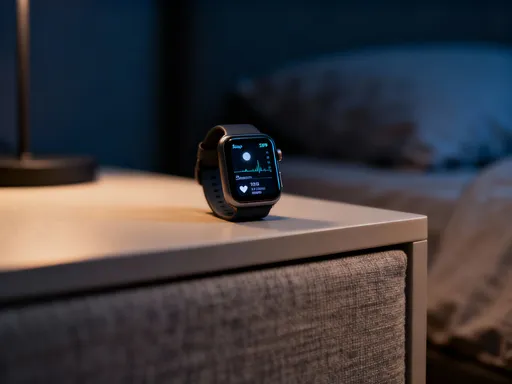
Hydration became a priority. I started carrying a water bottle and sipping consistently. I learned that even mild dehydration can impair performance and increase fatigue. Adding a pinch of salt and lemon to my water helped maintain electrolyte balance, especially on warmer days. I also paid closer attention to sleep. Quality rest is essential for muscle recovery and hormone regulation. I noticed that on nights I slept well, my runs felt easier, and my mood was better the next day.
One of the most unexpected benefits was how running changed my relationship with food. I no longer felt controlled by cravings. Instead of reaching for sweets when stressed, I’d go for a short walk or run. Movement became my coping mechanism, not food. I ate to nourish, not to numb. This shift wasn’t about restriction—it was about respect for my body and its needs.
Listening to My Body: Avoiding Injury and Staying Motivated
There’s a fine line between pushing yourself and pushing too hard. Early on, I ignored signs of fatigue and kept running through soreness. Eventually, I developed a nagging knee pain that sidelined me for weeks. That experience taught me the importance of listening to my body. Soreness is normal. Sharp pain is not. Fatigue fades with rest. Burnout lingers.
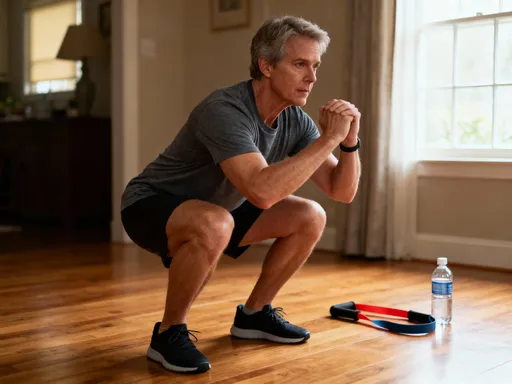
I learned to honor rest days as part of the process, not a failure. I incorporated stretching and foam rolling into my routine, which improved flexibility and reduced muscle tension. I also added low-impact cross-training—like swimming or cycling—on alternate days. This gave my joints a break while maintaining cardiovascular fitness. Physical therapists often recommend this approach to prevent overuse injuries, especially in beginners.
Motivation waned at times, especially when progress stalled. The scale didn’t always reflect my efforts. But I found other ways to measure success. I took progress photos every few weeks and noticed subtle changes in posture and muscle tone. I paid attention to how my clothes fit and how much easier stairs had become. Most importantly, I tracked my energy levels and mood. On days I ran, I was more patient, focused, and calm. These internal shifts were more meaningful than any number on a scale.
From Running to Lifestyle: How It Transformed My Whole Health Mindset
What started as a simple run evolved into a broader shift in how I approach health. Running became the anchor habit—the one change that made other healthy choices feel more natural. I began going to bed earlier to wake up refreshed for my morning run. I started meal prepping so I’d have nutritious food ready. I became more mindful of stress and developed healthier ways to manage it, like journaling or deep breathing.
The ripple effect was real. One positive habit unlocked others. I found myself making better choices at work—taking breaks, staying hydrated, moving more. I became more present with my family, less reactive under pressure. Running taught me discipline, but also self-compassion. Some days were slow. Some days I walked the whole way. But I showed up. And that built confidence that spilled over into other areas of life.
Today, I see running not as punishment for what I ate or a way to burn off guilt, but as an act of self-respect. It’s my daily promise to show up for myself, to honor my body, and to prioritize my well-being. It’s not about perfection. It’s about presence. Every step is a reminder that I matter.
Conclusion: Your Turn to Run Toward Better Health
Running became my health anchor because it was simple, fast, and deeply effective. It didn’t require a gym, a coach, or a perfect schedule. It only asked for consistency and a willingness to begin. Through running, I regained energy, mental clarity, and a sense of control that had been missing for years. The transformation wasn’t overnight, but it was real.
If you’re considering starting, remember this: you don’t have to run far. You don’t have to run fast. You just have to start. Begin with a walk. Try the 1:1 interval method. Link it to a habit you already have. Celebrate small wins. Listen to your body. Let progress, not perfection, guide you.
Health isn’t about dramatic changes or extreme measures. It’s about movement, awareness, and showing up—for yourself. And sometimes, the most powerful step you can take is the very first one. Your journey begins not with a sprint, but with a single, steady step forward.