How I Turned My Hobby Into a Daily Workout—And Actually Stuck With It
What if your favorite pastime could also be your best workout? I used to dread the gym, but when I started weaving movement into activities I already loved—dancing, hiking, even gardening—I didn’t just get stronger, I felt alive. This isn’t about extreme fitness; it’s about finding joy in motion. Discover how everyday passions can become a natural, sustainable fitness plan that fits your life. No rigid schedules, no guilt, no one-size-fits-all solutions—just movement that feels good and lasts. This is not a story about transformation through sacrifice, but about wellness through alignment.
The Problem With Traditional Workouts
For many women between the ages of 30 and 55, the idea of regular exercise often comes with a sense of obligation rather than excitement. The traditional fitness model—early morning runs, high-intensity interval training, or lifting weights in a fluorescent-lit gym—can feel disconnected from daily life. It demands time, energy, and mental bandwidth that many simply do not have. Studies show that nearly half of adults who start a new exercise routine will abandon it within six months. The reasons are not lack of willpower, but mismatched expectations and poor integration with personal lifestyles.
The biggest obstacle is not physical ability, but emotional resistance. When exercise feels like punishment or a chore, the brain naturally resists it. This is especially true for women managing households, careers, and family responsibilities. The pressure to ‘fix’ their bodies through grueling workouts only deepens the sense of failure when routines fall apart. Yet, the benefits of consistent physical activity—improved mood, stronger bones, better sleep, and reduced risk of chronic disease—are too important to ignore.
The solution lies not in pushing harder, but in redefining what counts as exercise. Movement does not have to be structured, timed, or intense to be effective. The World Health Organization recommends at least 150 minutes of moderate-intensity physical activity per week for adults, but this can be accumulated in small, enjoyable bursts throughout the day. The key is sustainability. When activity is woven into what you already love, it stops being something you have to do and starts being something you get to do.
Rethinking Fitness: Movement as Joy, Not Punishment
Fitness culture has long equated effort with worth. Sweat is glorified, soreness is celebrated, and discomfort is seen as a sign of progress. But this mindset often backfires, especially for those who associate exercise with past failures or negative body image. A growing body of research in behavioral science suggests that enjoyment is the strongest predictor of long-term adherence to physical activity. In other words, if you don’t like it, you won’t keep doing it—no matter how many health benefits it promises.
Shifting the perspective from punishment to pleasure changes everything. Instead of viewing movement as a way to burn calories or shrink your body, consider it a celebration of strength, mobility, and vitality. This mental reframe allows you to reconnect with your body in a positive, nurturing way. Dancing in the kitchen while dinner simmers, taking a long walk with a favorite audiobook, or playing tag with your kids in the backyard—these are all valid forms of exercise that bring joy and connection.
Neuroscience supports this approach. When we engage in enjoyable physical activities, the brain releases endorphins, dopamine, and serotonin—chemicals linked to pleasure, motivation, and mood regulation. These natural rewards reinforce the behavior, making it more likely you’ll repeat it. Contrast this with the stress response triggered by forced, unpleasant workouts: elevated cortisol, mental fatigue, and emotional burnout. The body remembers how it feels to move, not just how many calories it burned.
Experts in habit formation emphasize that identity shapes behavior. If you see yourself as someone who enjoys moving, you’re more likely to find opportunities to do so. This is not about becoming an athlete or chasing fitness trends. It’s about reclaiming movement as a natural, human experience—one that brings energy, not exhaustion.
Finding Your Movement Match: Aligning Exercise With Personality
One reason traditional fitness programs fail is that they treat everyone the same. But people have different temperaments, preferences, and energy patterns. A routine that energizes one person might drain another. The secret to consistency is personalization. By understanding your natural inclinations, you can choose activities that feel less like exercise and more like expression.
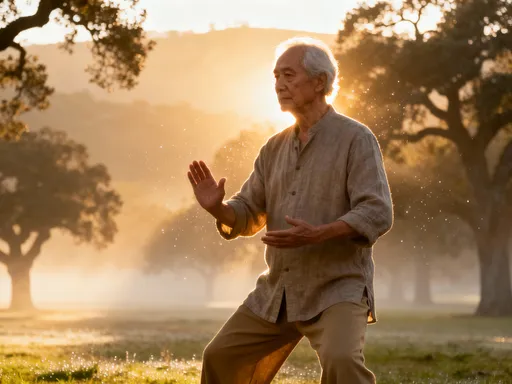
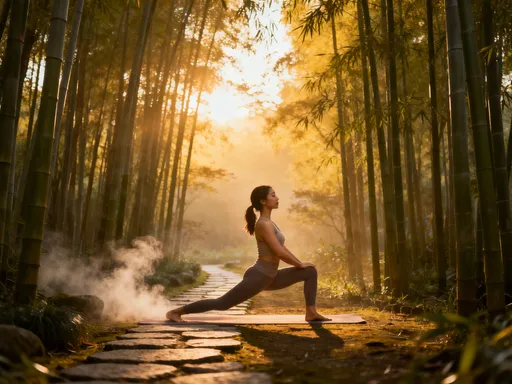
Consider your personality. Are you creative? You might thrive in activities that involve rhythm and flow, such as dance, tai chi, or expressive movement classes. These forms of exercise engage both body and imagination, turning physical effort into art. Do you enjoy solitude and reflection? Walking in nature, gardening, or practicing yoga at home may be more aligned with your nature. These quiet, meditative movements offer both physical benefits and mental clarity.
If you’re social and energized by connection, group-based activities could be ideal. Community dance classes, recreational sports, or walking clubs provide both movement and meaningful interaction. For those who are goal-oriented or enjoy structure, activities like hiking with distance tracking, learning a new sport, or following a gentle strength routine can provide a sense of accomplishment without pressure.
Self-awareness is the foundation of sustainable fitness. Take time to reflect: When do you feel most alive? What activities make you lose track of time? Where do you feel most at ease—indoors or outdoors, alone or with others? Answering these questions helps you identify movement styles that fit your life, not fight against it. The goal is not to change who you are, but to honor who you already are through movement.
Hobbies That Double as Workouts: Real-Life Examples
Many of the activities women already enjoy contain significant physical benefits. The key is recognizing them as valid forms of exercise. Gardening, for instance, is a full-body workout in disguise. Digging, planting, weeding, and watering engage the arms, shoulders, core, and legs. A study published in the British Journal of Sports Medicine found that gardening for just 30 minutes a day can reduce the risk of heart disease and stroke. It also improves flexibility and balance, especially when moving between kneeling, squatting, and standing positions.
Hiking is another powerful yet accessible form of fitness. Walking on uneven terrain activates stabilizing muscles, improves cardiovascular endurance, and strengthens the lower body. Unlike treadmill walking, hiking offers changing scenery and natural challenges that keep the mind engaged. Even a weekly trail walk of 45 minutes can contribute significantly to weekly activity goals. Plus, exposure to green spaces has been shown to reduce stress and improve mental well-being—a double benefit for busy women.
Dancing, whether freestyle in the living room or in a structured class, is a joyful way to build stamina and coordination. It elevates the heart rate, enhances agility, and boosts mood. A 30-minute dance session can burn as many calories as a moderate run, but without the joint impact. Music adds emotional resonance, making movement feel effortless. Many women report that dancing helps them reconnect with their bodies in a positive, non-judgmental way.
Other hobbies like playing musical instruments, knitting, or cooking may not seem physical at first, but they still contribute to overall wellness. Playing an instrument improves fine motor skills and hand-eye coordination. Standing and moving while cooking—chopping, stirring, reaching—adds up over time. Even window shopping or browsing a farmer’s market involves walking, which counts toward daily activity. The message is clear: movement doesn’t have to look like a workout to be effective.
Designing a Personalized Movement Plan
Building a sustainable movement routine starts with intention, not intensity. The most effective plans are not based on willpower, but on integration. Begin by identifying one or two hobbies or daily activities you already enjoy. Then, look for ways to add a little more movement to them. The goal is not to overhaul your life, but to enhance what’s already working.
Start small. If you love reading, try doing light stretching while listening to an audiobook. If you enjoy coffee in the morning, pair it with five minutes of gentle yoga or a short walk around the block. These micro-moments of movement add up and create positive associations. Over time, they become automatic—part of your rhythm, not a disruption to it.
Scheduling is also important, but it doesn’t have to be rigid. Instead of blocking out an hour for the gym, think in terms of ‘movement snacks’ throughout the day. A 10-minute walk after lunch, a few minutes of gardening before dinner, or dancing while waiting for the kettle to boil—all of these count. Research shows that short bursts of activity are just as beneficial as longer sessions when accumulated over time.
Tracking progress can be helpful, but avoid obsession. Instead of counting calories or steps, focus on how you feel. Do you have more energy? Better sleep? Improved mood? These are more meaningful indicators of health than any number on a scale. Consider keeping a simple journal where you note your activities and how they made you feel. This builds awareness and reinforces positive habits without pressure.
The most powerful tool in your plan is consistency, not perfection. You don’t need to move every day to benefit. Even three or four days a week of intentional movement can make a difference. The goal is to create a routine that feels natural, not forced.
Overcoming Obstacles and Staying Consistent
Even the most enjoyable routines can face challenges. Life changes—new responsibilities, seasonal shifts, or unexpected stress—can disrupt even the best-laid plans. The key to long-term success is flexibility, not discipline. When you miss a day or skip a session, the healthiest response is self-compassion, not guilt.
Weather can be a common barrier, especially for outdoor activities like hiking or gardening. Instead of stopping altogether, adapt. On rainy days, bring movement indoors—follow a dance video, stretch while watching TV, or do a home workout using household items as weights. The goal is not to replicate the exact activity, but to maintain the habit of moving.
Burnout is another real risk, even with enjoyable activities. If dancing starts to feel like a chore, take a break. Try something new—swimming, cycling, or a creative movement class. Variety prevents boredom and keeps the body challenged. Listen to your body’s signals. Fatigue, irritability, or loss of interest are signs that you may need rest or a change in pace.
Support also plays a role. Share your goals with a friend or family member who encourages you without judgment. Join a community group, online forum, or local class where you feel welcomed and inspired. Connection increases accountability in a gentle, positive way. Remember, consistency is not about never missing a day—it’s about returning, again and again, with kindness and patience.
The Bigger Picture: Long-Term Health Through Sustainable Habits
The true goal of fitness is not a smaller waistline or a certain number on the scale. It is lifelong vitality. When movement becomes a natural part of your life, it supports not just physical health, but mental and emotional well-being. Women who engage in regular, enjoyable physical activity report higher energy levels, better sleep, improved focus, and greater resilience in the face of stress.
Over time, these habits build what experts call ‘health capital’—a reserve of strength, balance, and endurance that supports independence and quality of life as you age. Strong muscles and bones reduce the risk of falls and fractures. A healthy cardiovascular system lowers the chances of heart disease and stroke. And a calm, active mind is better equipped to handle life’s challenges.
But perhaps the most profound benefit is the shift in self-perception. When you move because you enjoy it, not because you feel you must, you begin to see your body as a source of strength and joy, not something to be fixed. This change in mindset fosters self-acceptance, confidence, and a deeper connection to yourself.
Fitness, at its core, is not about achievement—it’s about presence. It’s about feeling your feet on the ground during a walk, your arms reaching in the garden, your body swaying to music. These moments are not just exercise; they are acts of self-care, celebration, and living fully. When movement feels good, it becomes a gift you give yourself every day—one that keeps on giving.